Ten years, two clocks, one platform: lessons from EDFI MC’s first decade
By Jean-Denis Collin, Chief Investment Officer, EDFI Management Company
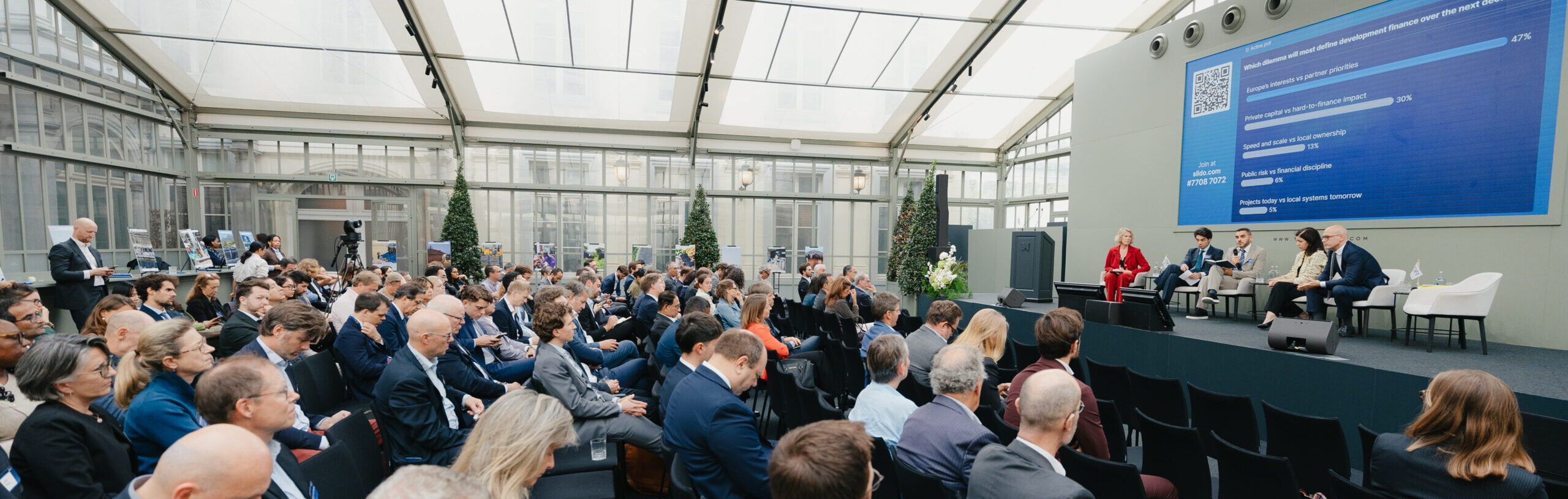
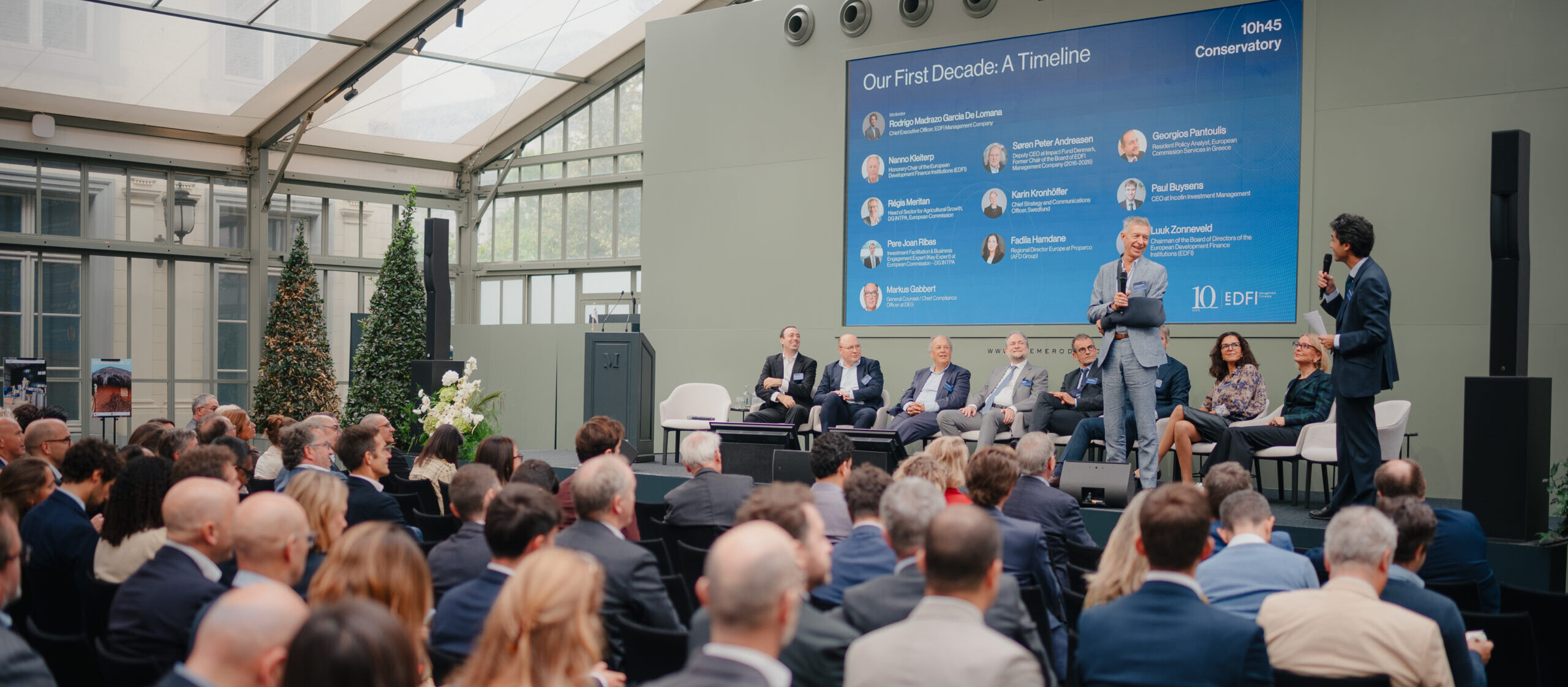
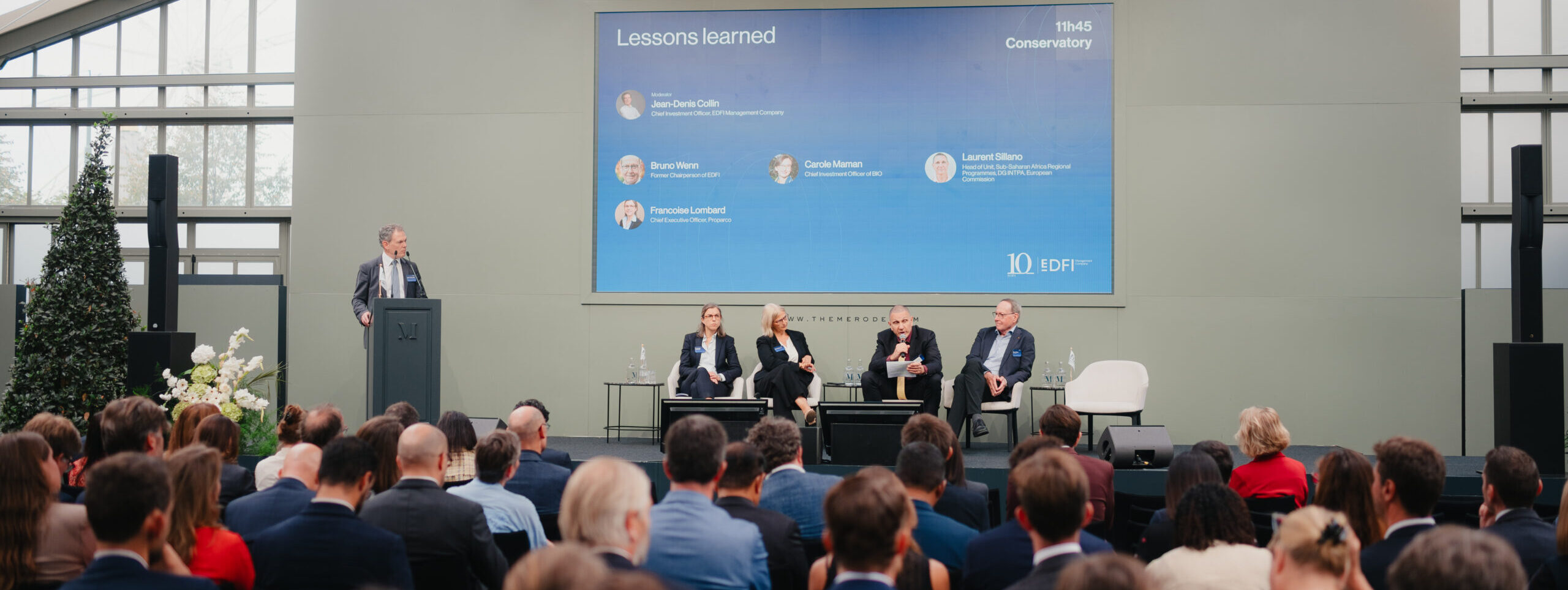
The Lessons Learned panel at EDFI MC Corporate Day 2026 asked what a decade of EU–DFI cooperation has taught us. The answer was clear: the partnership works, and the next challenge is to scale it without losing what makes it additional.
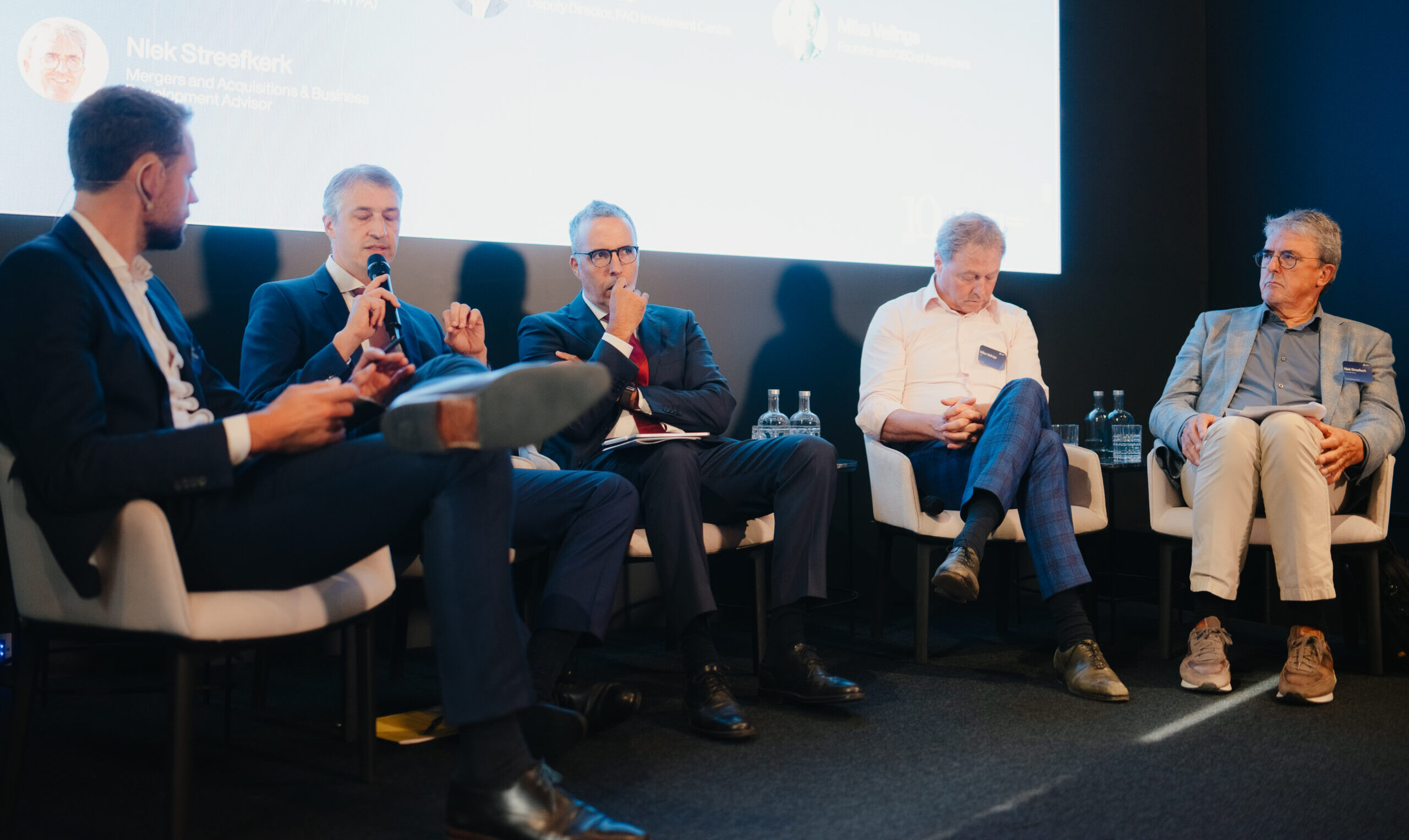
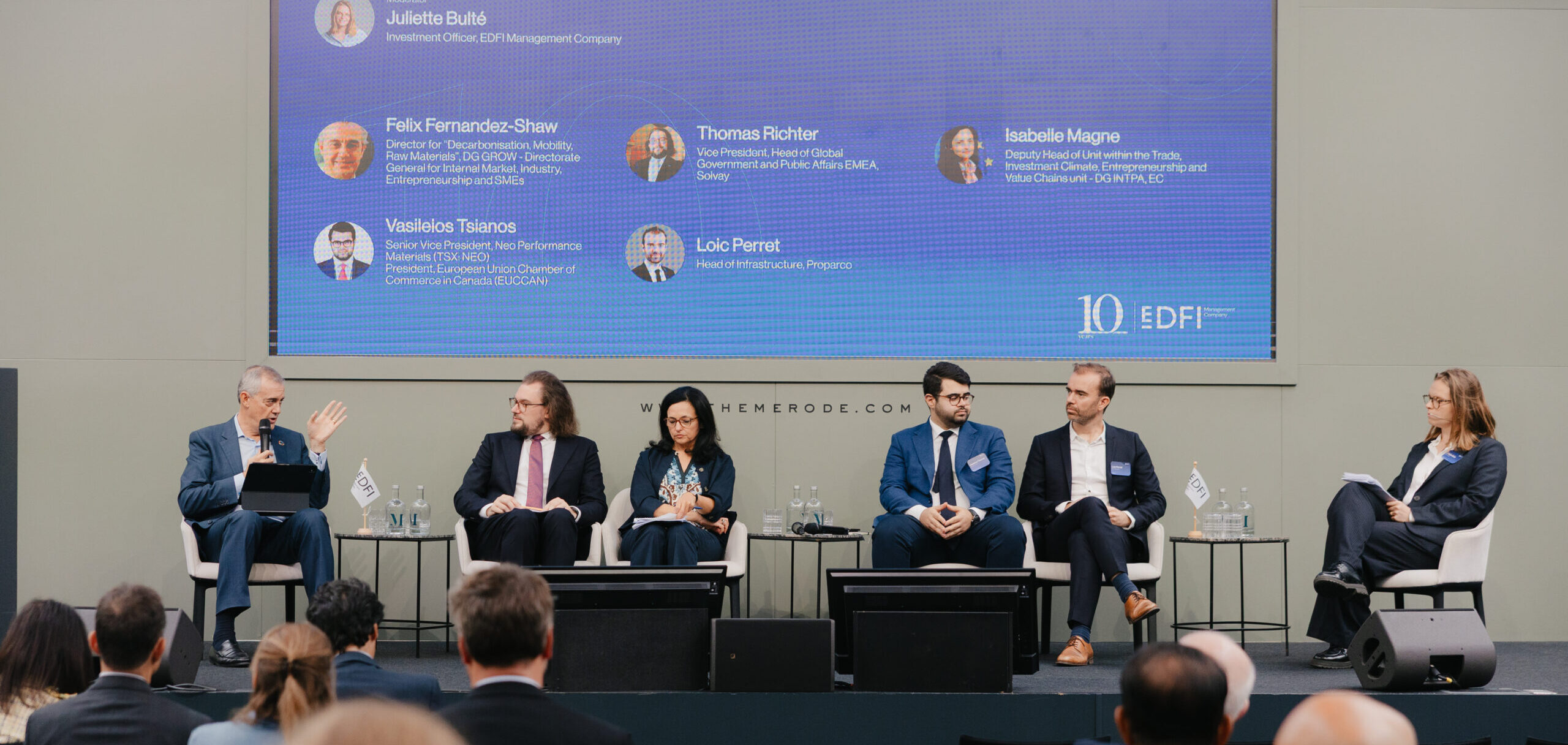
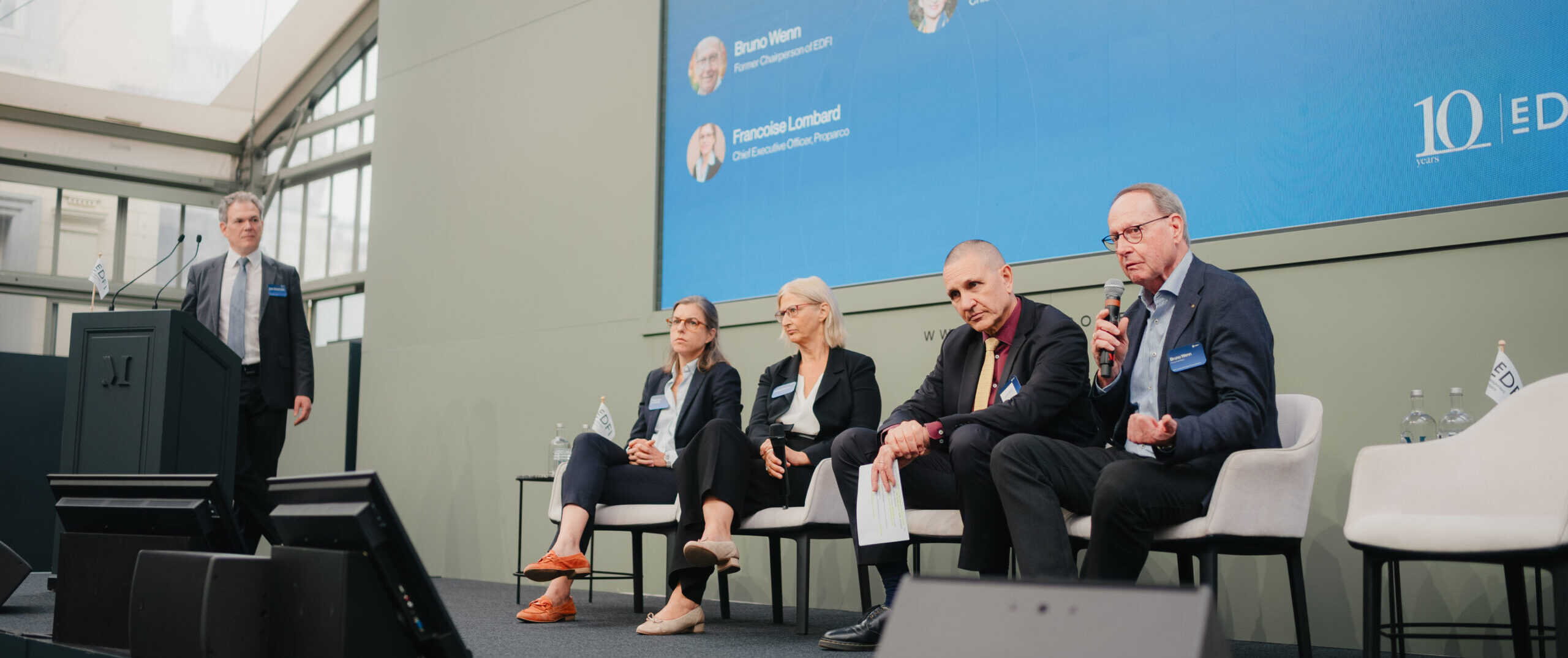
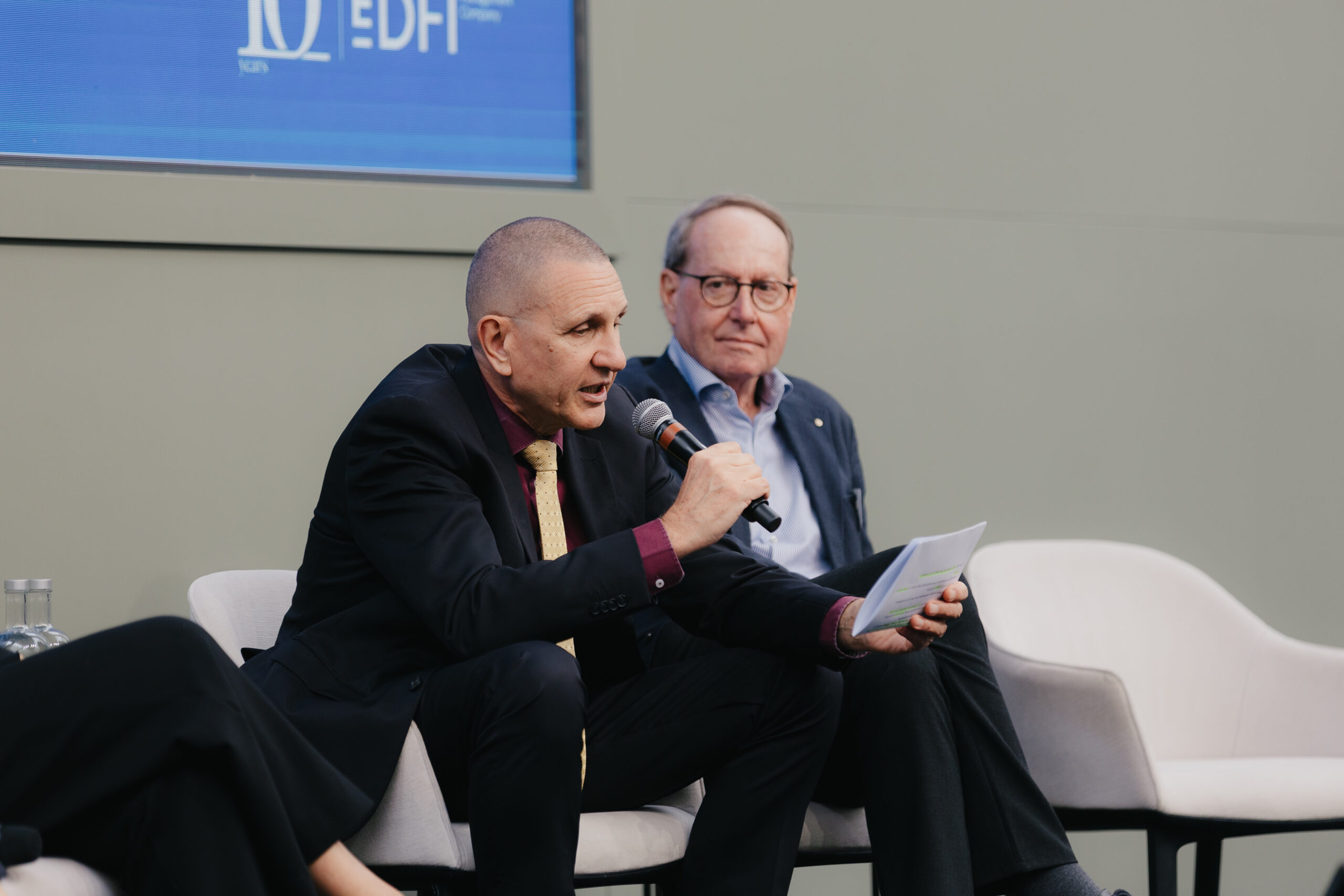
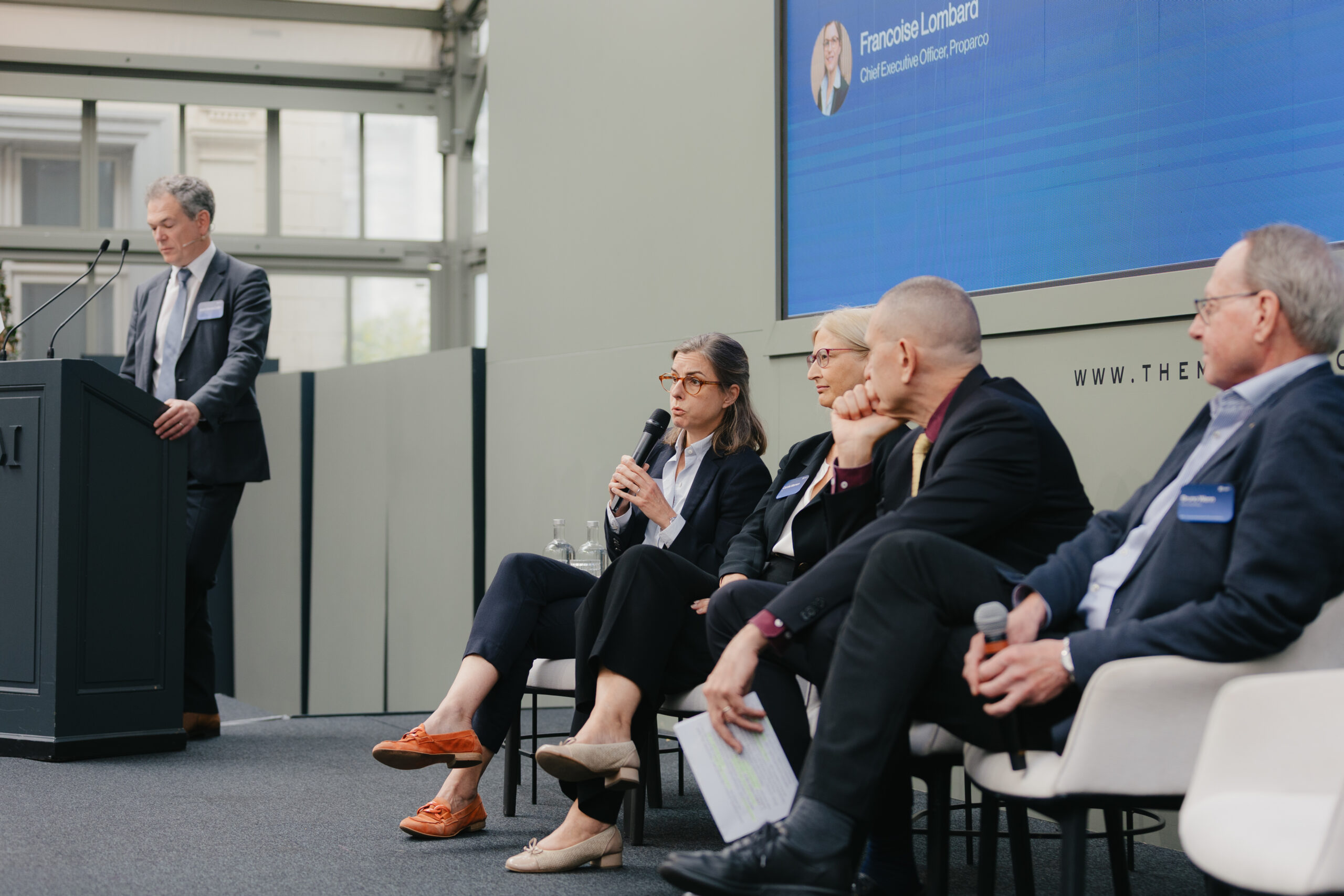
By the time our panel took the stage, the morning had already told the story of how EDFI MC was created. So I asked a different question: not what we built, but what it has taught us. I was joined by Bruno Wenn, former Chair of EDFI; Françoise Lombard, CEO of Proparco; Carole Maman, CIO of BIO; and Laurent Sillano, Head of Unit A2, Regional and Multi-country Programs for Africa, DG INTPA, European Commission. Between them, they brought the view of our founders, of our shareholders and of the European Commission. Here is what I took away.
1. A common platform does what none of us could do alone
In 2016, European development finance was fragmented. The Commission wanted more private-sector focus and critical mass. The DFIs saw a new generation of small entrepreneurs who needed flexible finance and hands-on support. A shared platform answered both. Ten years later, that bet looks even more right. For DFIs, the smallest ones in particular, working directly with the Commission is complex and costly; through EDFI MC, it becomes possible. For the Commission, a pillar-assessed partner with DFI standards means it can act quickly and at scale. That is the first lesson: the platform itself is part of the value.
“When we look at the geopolitical competition we are facing now, this attempt to resolve fragmentation and reach critical mass was the right bet.”
— Laurent Sillano, Head of Unit A2, DG INTPA, European Commission
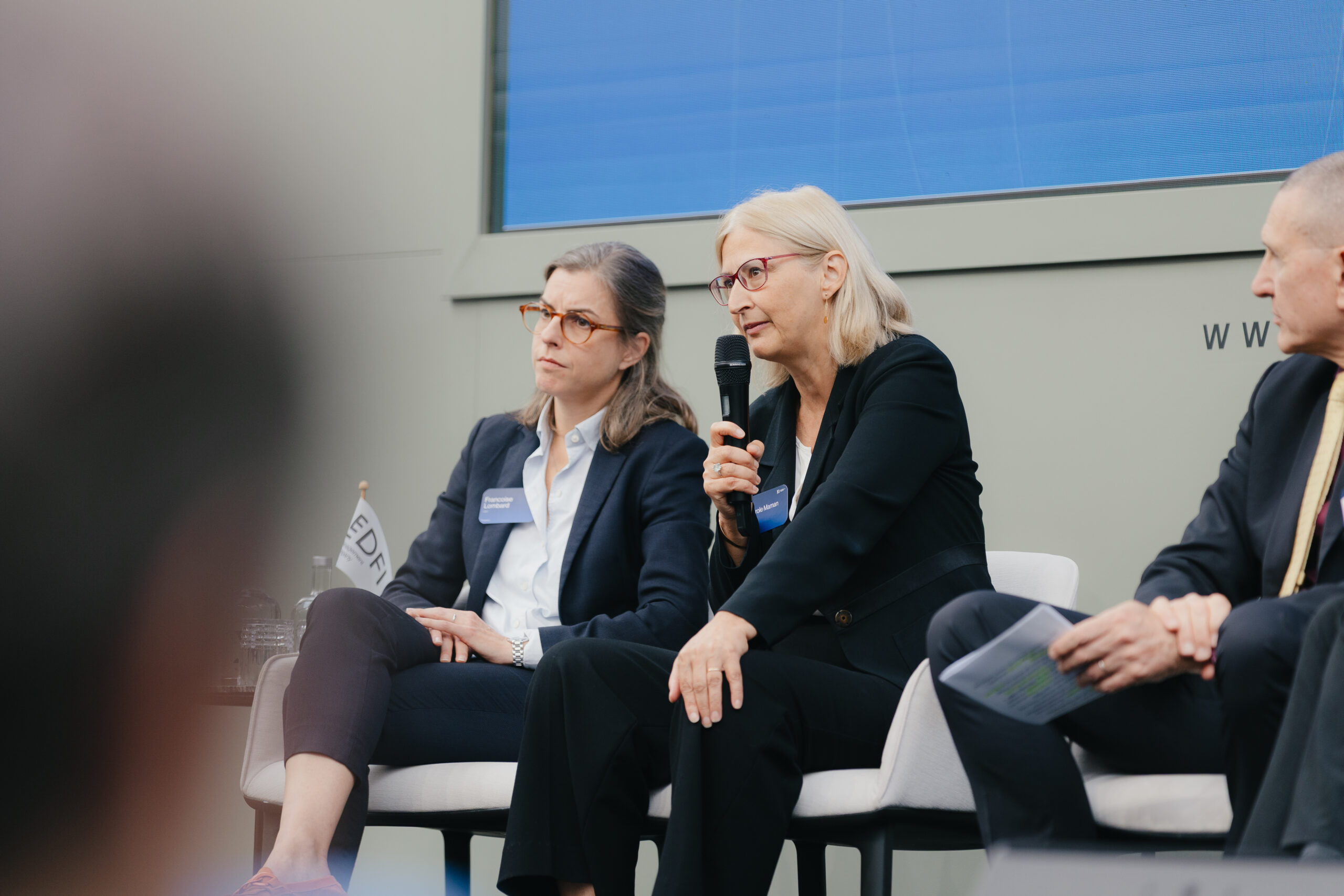
“Working directly with the Commission is extremely complex and costly for a DFI like BIO. Thanks to EDFI MC, we have been able to create this partnership in the field, through projects.”
— Carole Maman, Chief Investment Officer, BIO
2. Guarantees changed what DFIs can do
Risk appetite is often the real hurdle for a DFI, and for good reasons. EU guarantees managed through EDFI MC have helped push those boundaries. They have enabled our partners to invest in least developed countries, in Ukraine, and in new areas such as carbon markets, where revenues are volatile and few are willing to go first. They also created a clear division of labour: the Commission sets priorities and shares risk, DFIs originate and structure investments, and EDFI MC brings it together. Part of our job is to reconcile two clocks, the political timeline in Brussels and the investment timeline of a deal. That takes trust and patience, but it works.
3. Additionality lives where it is hardest, and that is rarely efficient
We ask EU instruments to do a lot at once: be financially performant, take appropriate risk, mobilise private capital and deliver impact. These goals can reinforce each other, but there are real trade-offs, and we should say so openly. The highest impact is often in fragile and post-conflict markets, where many businesses cannot yet meet DFI standards. Reaching them takes risk-sharing, advisory support to make them bankable, and shareholders willing to accept more risk. Small, early-stage investments will never be the cheapest way to deploy capital. They are, however, where we make the biggest difference.
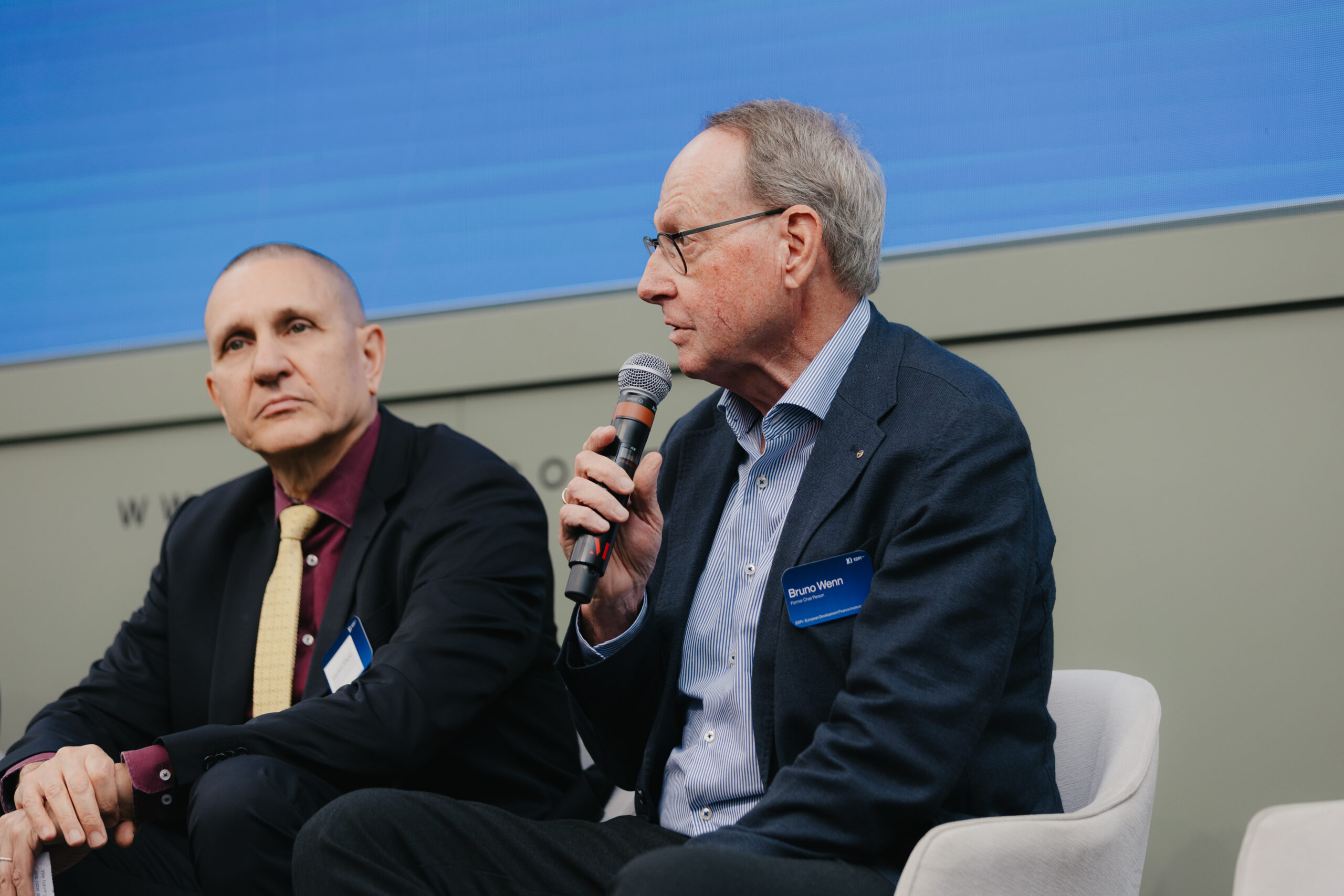
“Decision-makers cannot ask us to go for the highest impact while at the same time asking us to avoid as much risk as possible. That’s impossible.”
— Bruno Wenn, former Chair, EDFI
4. We must grow without losing what makes us additional
EDFI MC will soon manage around 100 early-stage companies and eight guarantee programmes, with fewer than 50 people. That growth is a sign of trust, but it is also a stretch. Very small programmes are costly to run, so we need scale. Yet every new mandate must be well embedded, and our people need care. I heard a clear message: EDFI MC should be treated as a long-term institution that builds expertise over time, not as a short-term service provider.
“EDFI MC needs stability to deepen its roots and develop its expertise. It should be seen as a long-term instrument, not only as a short-term supplier of services.”
— Carole Maman, Chief Investment Officer, BIO
5. The next gains come from connecting the dots
The panel pointed to two practical improvements. First, first-loss and junior positions in private equity funds, which are expensive for regulated DFIs to hold and could unlock much more private capital. Second, a smoother path from EDFI MC’s blending facilities into DFIs’ own pipelines, so that the early-stage companies we support can grow into DFI clients. We should also measure success not only by how much EU money we deploy, but by how much private capital it brings in, and keep a pipeline broad enough to serve several objectives at once.
6. Strategic priorities and development are not opposites
Energy security, critical raw materials and economic security are rising on European agendas. Setting them against development objectives would be a lose-lose game. DFIs already bring European companies into many deals, and they are ready to do more, as long as the EU interest is defined broadly enough and the economic model stays sound. The EU interest is still being defined, sector by sector. Focusing on corridors, value chains and local industrialisation, which our African partners ask for again and again, can bring European and partner priorities into one coherent package.
“Corridors, local industrialisation and value chains are a way of articulating investments into a coherent package that brings results not only for partner countries but also for Europe.”
— Laurent Sillano, Head of Unit A2, DG INTPA, European Commission
Looking to 2036
Will development finance still be needed in ten years? The panel’s honest answer was yes. What we have built together does not need replacing. It needs strengthening, with simpler instruments, fewer bottlenecks and a sharper strategic focus, while keeping additionality as our anchor.
“What has been achieved over the last ten years is a tremendous achievement in terms of partnership. There is no need to change that, but to strengthen it.”
— Bruno Wenn, former Chair, EDFI
My thanks to Bruno, Françoise, Carole and Laurent for a candid and generous discussion, and to everyone who has built this partnership with us over the past ten years.