

Zambia: Catalysing Sustainable Growth in a Fragile Context
Zambia is known for its political stability, friendly communities and deep sense of pride in being a safe and peaceful nation. But in many rural areas, daily life remains a challenge. Roads are in poor condition, and infrastructure gaps make it hard for families to access essential services like electricity and clean water (often delivered by government trucks). While Zambia may not be rich in natural resources beyond copper (and cobalt, gemstones), it is rich in human potential. Across the country, smallholder farmers, entrepreneurs and community leaders are working hard to build a more sustainable and resilient future.
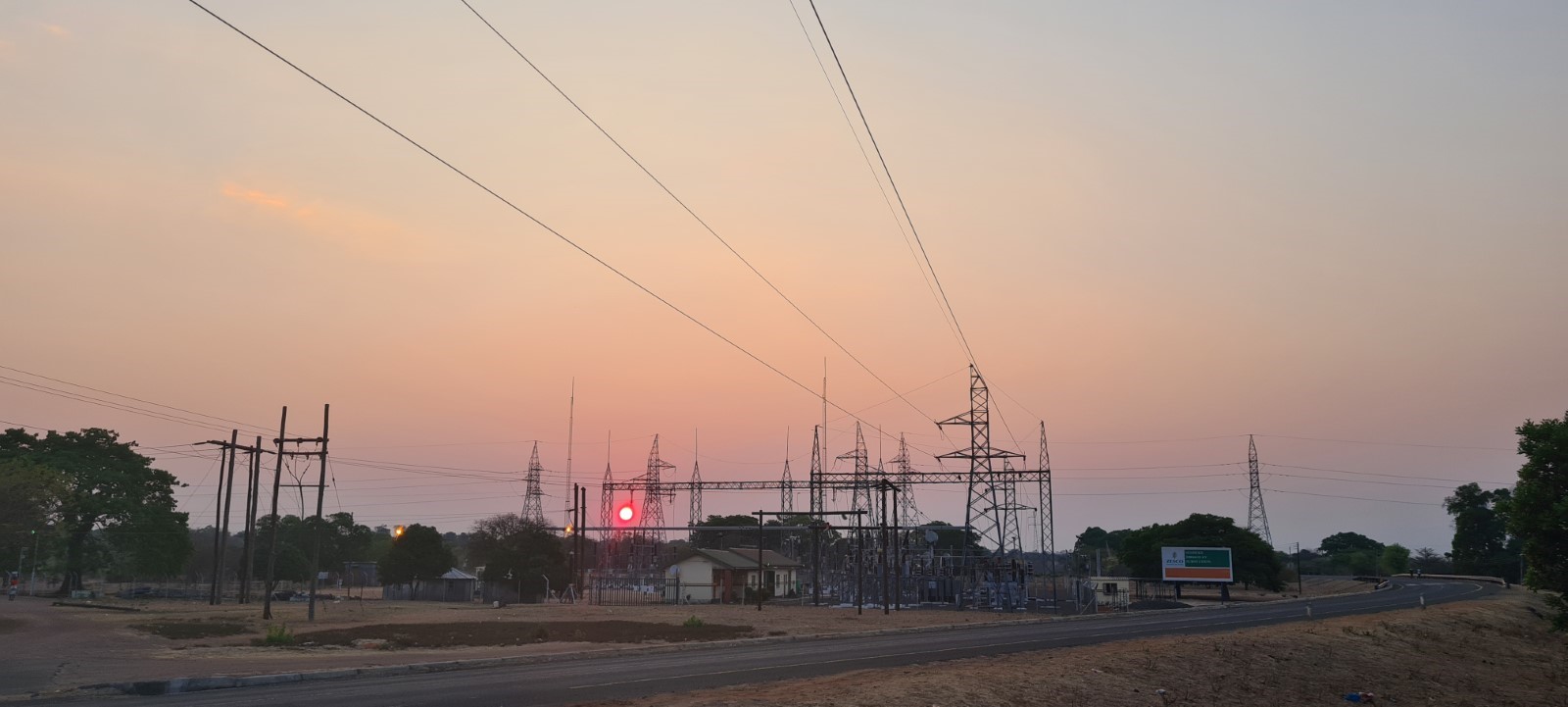
More than half of Zambia’s 20 million people still live in the countryside, where roads are few, electricity is scarce, and many families struggle to meet their basic needs. Nearly half the population lives in multidimensional poverty. As of 2015, about 58% of people were living on less than $2.15 a day. As of 2025, approximately 50% of Zambia’s population has access to electricity, leaving around 10 million people without reliable power (World Bank Group). The disparity is more pronounced in rural areas, where only about 34% of the population has electricity access. This lack of access affects daily life, limiting opportunities for education, healthcare, and economic development.
The economy depends heavily on copper, which makes up around 70% of export revenues. But that kind of dependence is risky. When global prices fall, the entire country feels it. And outside the mining sector, most families rely on farming, yet farming here depends on the weather.
And the weather is changing.
Zambia has been hit hard by climate change. Droughts, floods, and heatwaves are now more frequent and more extreme. In 2024, the country experienced one of the worst droughts in a century. Crops failed. Millions of people were pushed closer to hunger and malnutrition. Hydropower output, which provides most of Zambia’s electricity, also fell, worsening power cuts across the country.
In a country where farming and energy are both linked to rainfall, every failed season has a ripple effect: food becomes scarce, power goes out, and families slide deeper into poverty.
This is part of why Zambia is considered a fragile environment for private investment. The risks are high, infrastructure is limited, and markets are hard to reach. Banks and investors are often reluctant to fund early-stage businesses in such settings, even if the business is solving a critical problem, like food security or energy access.
But Zambia’s entrepreneurs, social enterprises, agribusinesses and energy innovators are working directly with communities to build climate resilience, grow incomes and expand access to essential services. What they often lack is patient, flexible capital to grow.
That’s where catalytic finance comes in, backing early-stage ventures others won’t, so that local businesses can prove their models, attract new funding, and scale their impact.
As Rodrigo Madrazo, CEO of EDFI Management Company, puts it: “We invest in the conditions for long-term change. In Zambia, that means backing local companies who are turning fragility into opportunity, and doing so in a way that’s inclusive, climate-smart and scalable.”
Farming for the Future
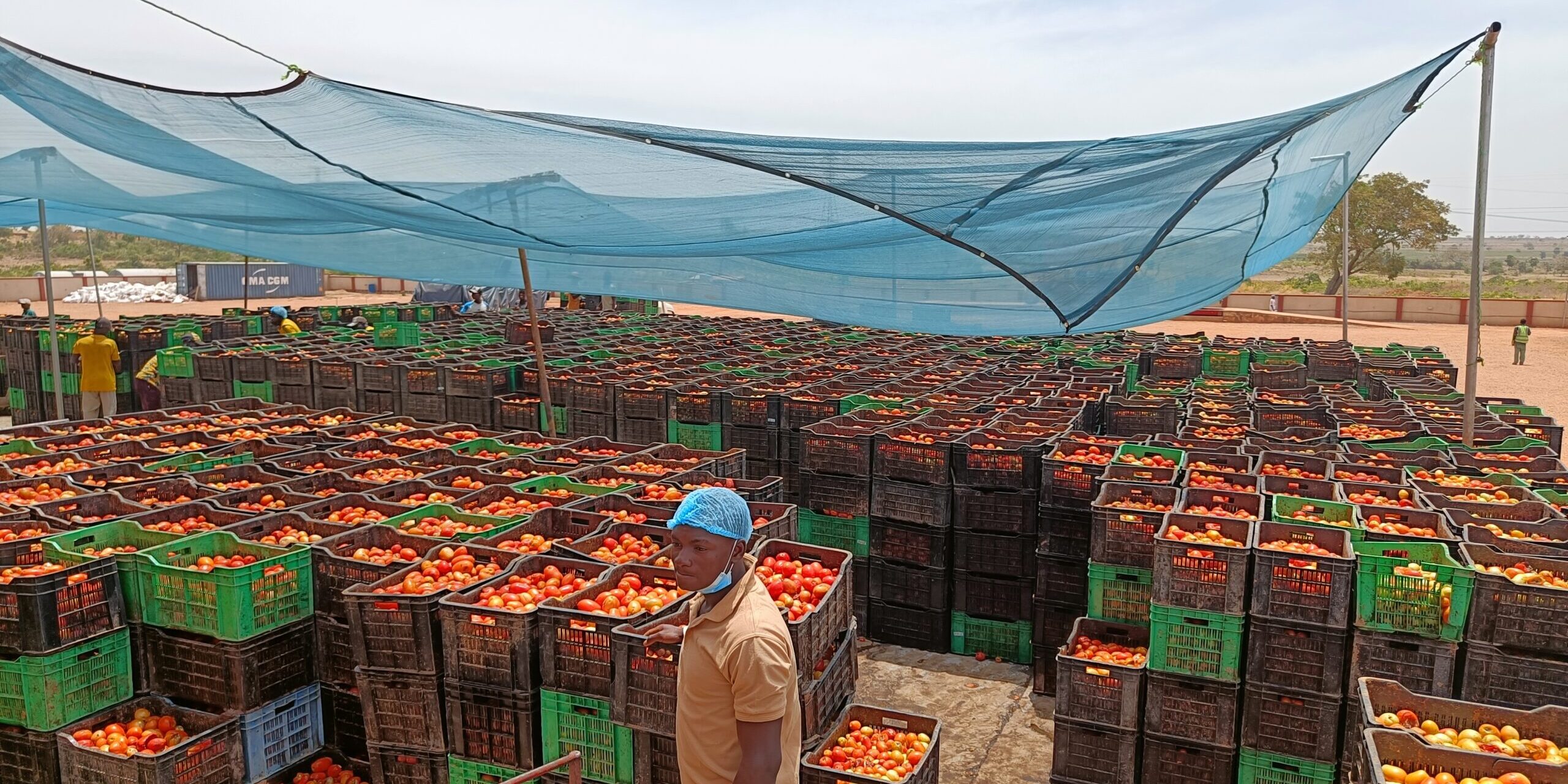
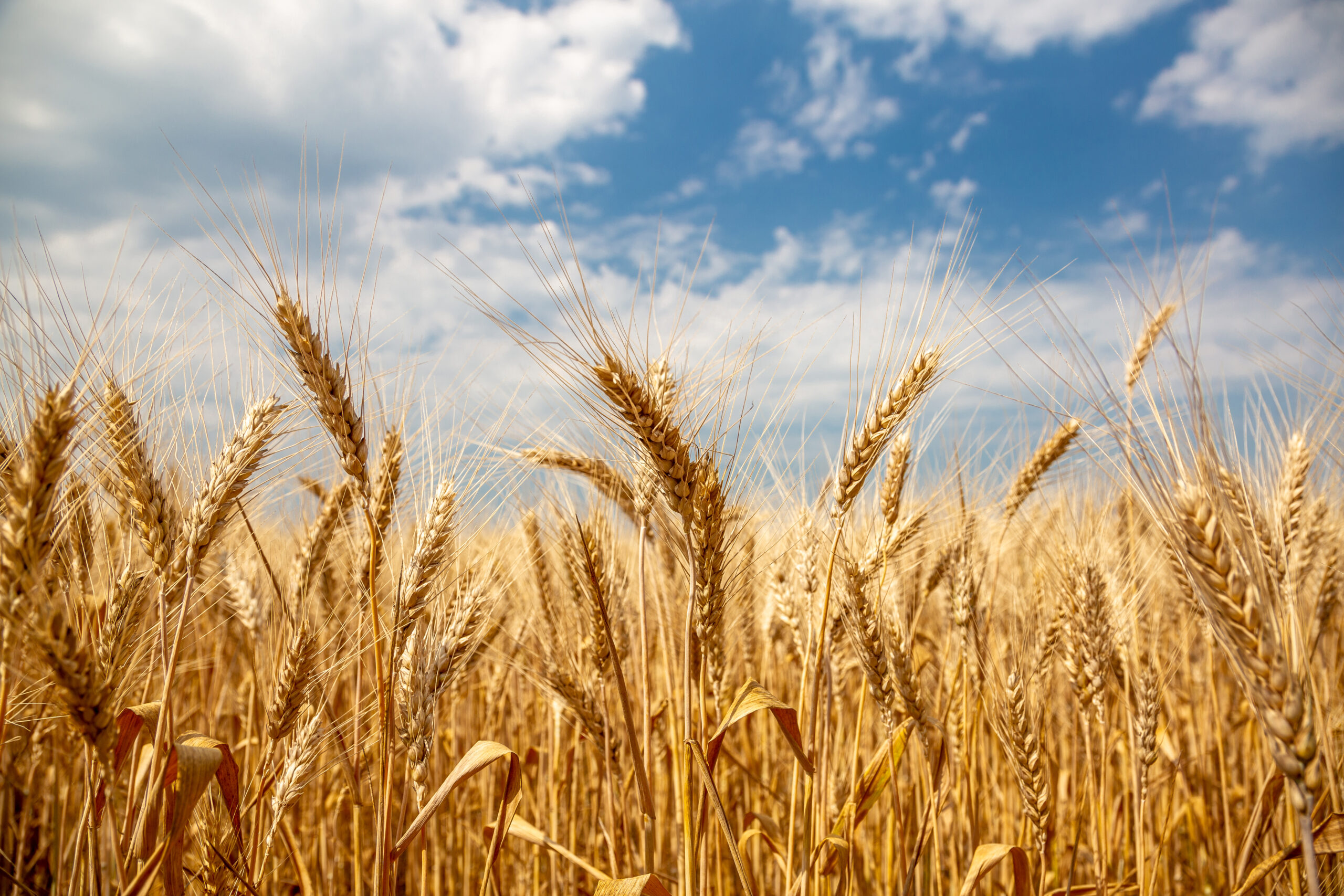
When you travel through Zambia’s Eastern Province, it’s easy to see just how central farming is to life here. But smallholder farmers face serious challenges: unpredictable rainfall, poor access to markets, and little financial support.
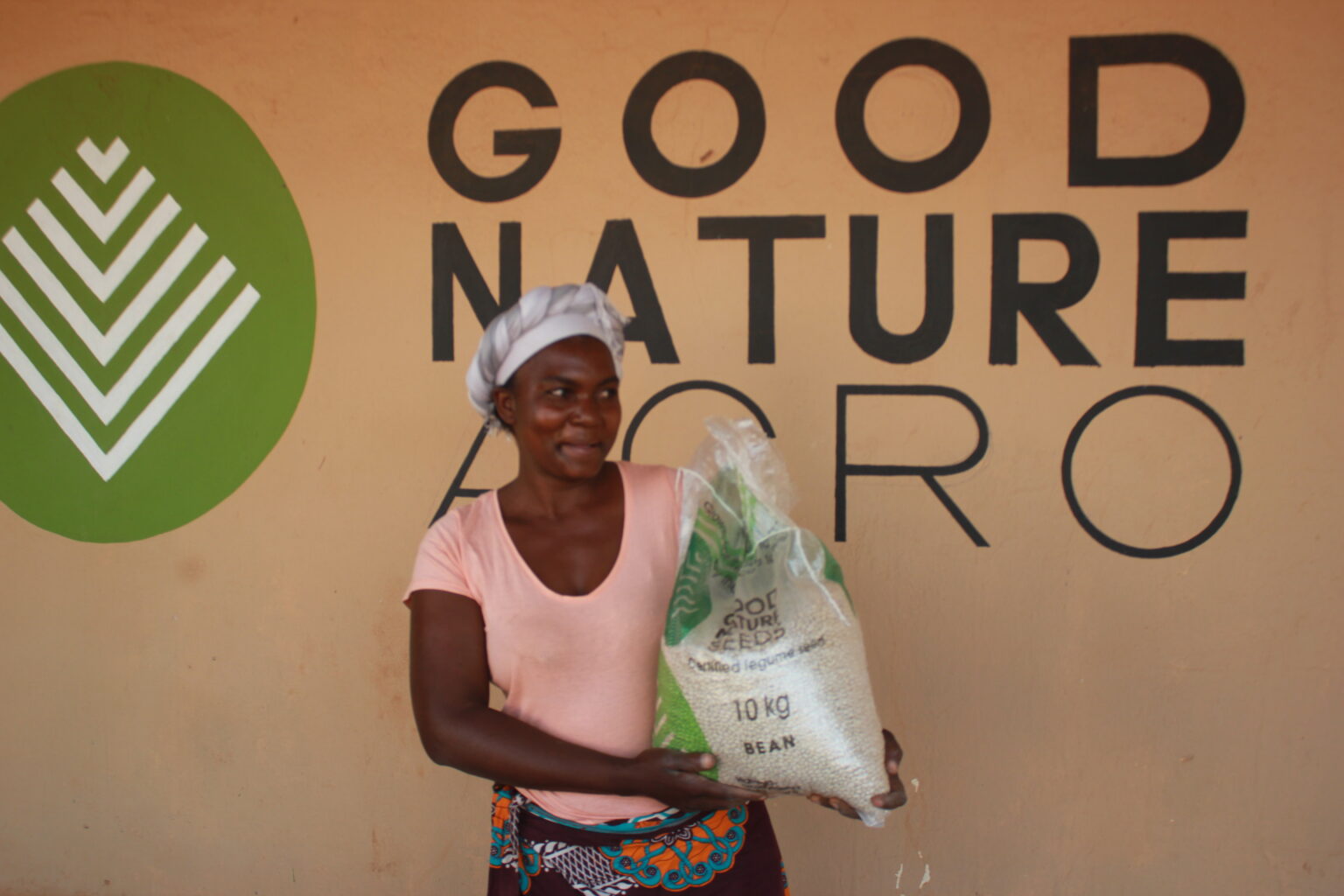
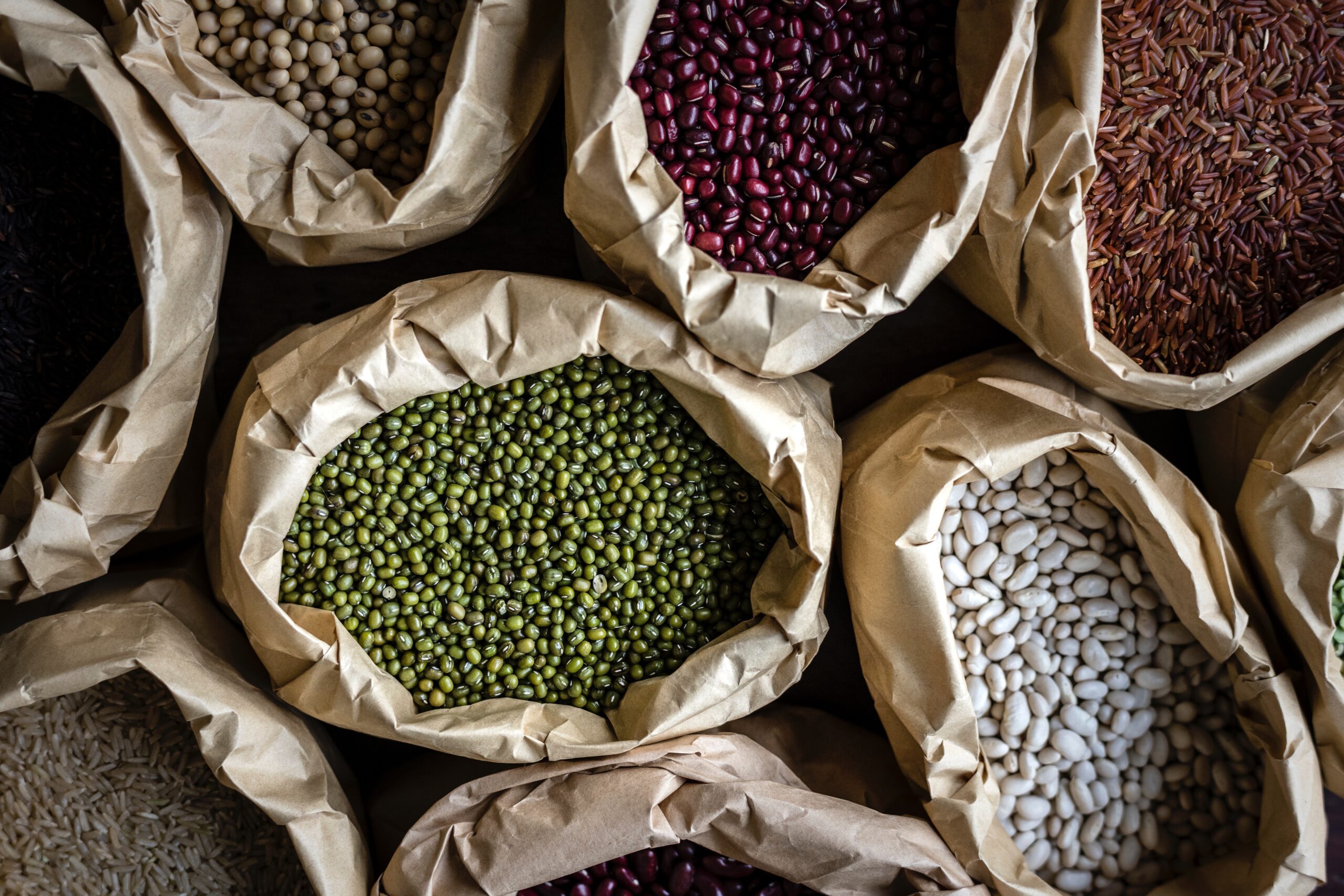
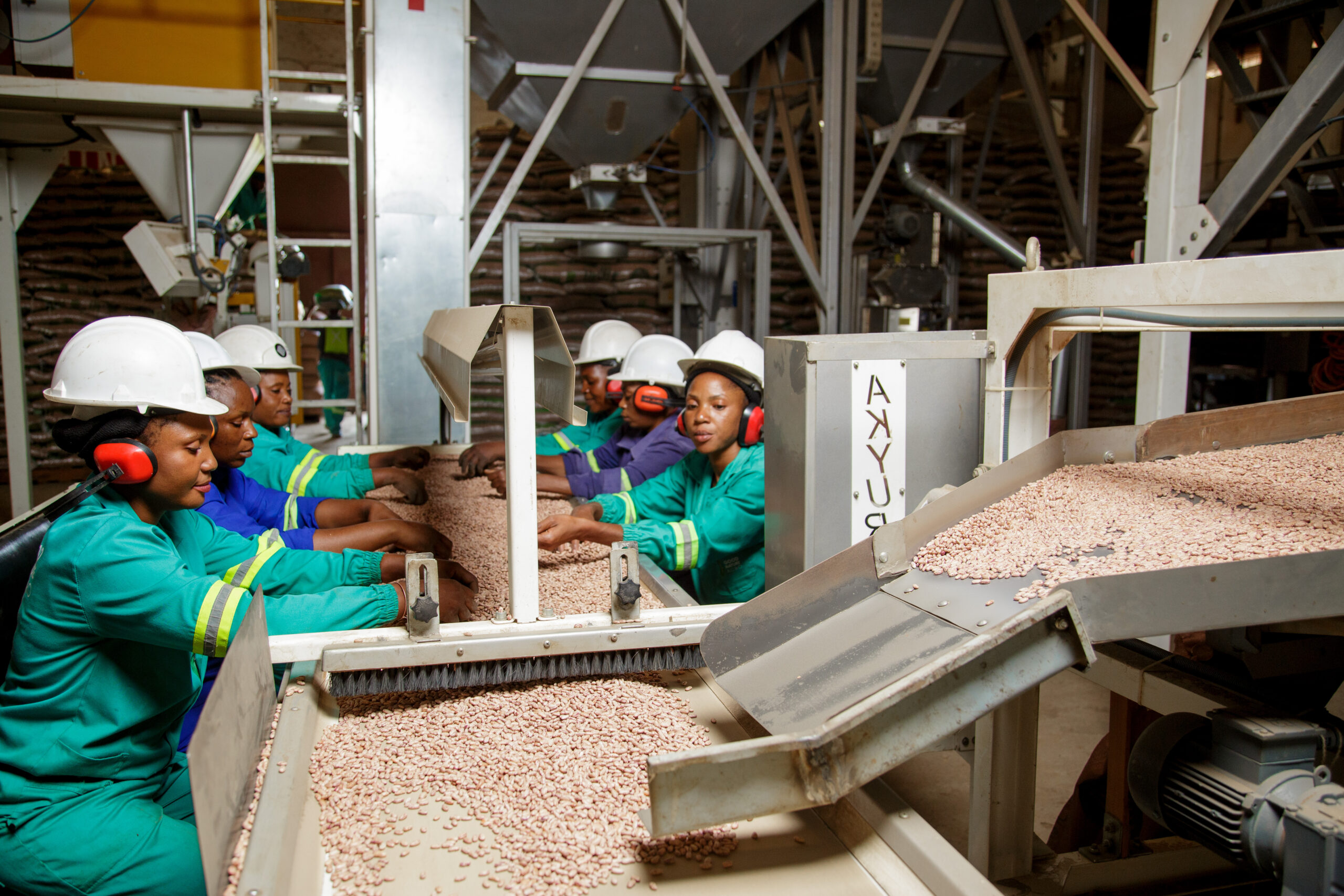
Good Nature Agro works side-by-side with thousands of small-scale farmers, offering quality seeds, training, and access to markets for crops like ground nuts and soy. By focusing on legumes, which naturally boost soil fertility, Good Nature helps farmers grow food more sustainably, and earn better incomes.
It’s about improving yields and about shifting power. Farmers are no longer just producers; they become entrepreneurs with a clear path to growth.
Lionel Dieu, who manages the AgriFI fund, sees this impact up close: “Zambia has potential to lead in climate-smart farming. When we support companies like Good Nature Agro, we’re helping farmers take control of their future — and that’s where real resilience begins.”

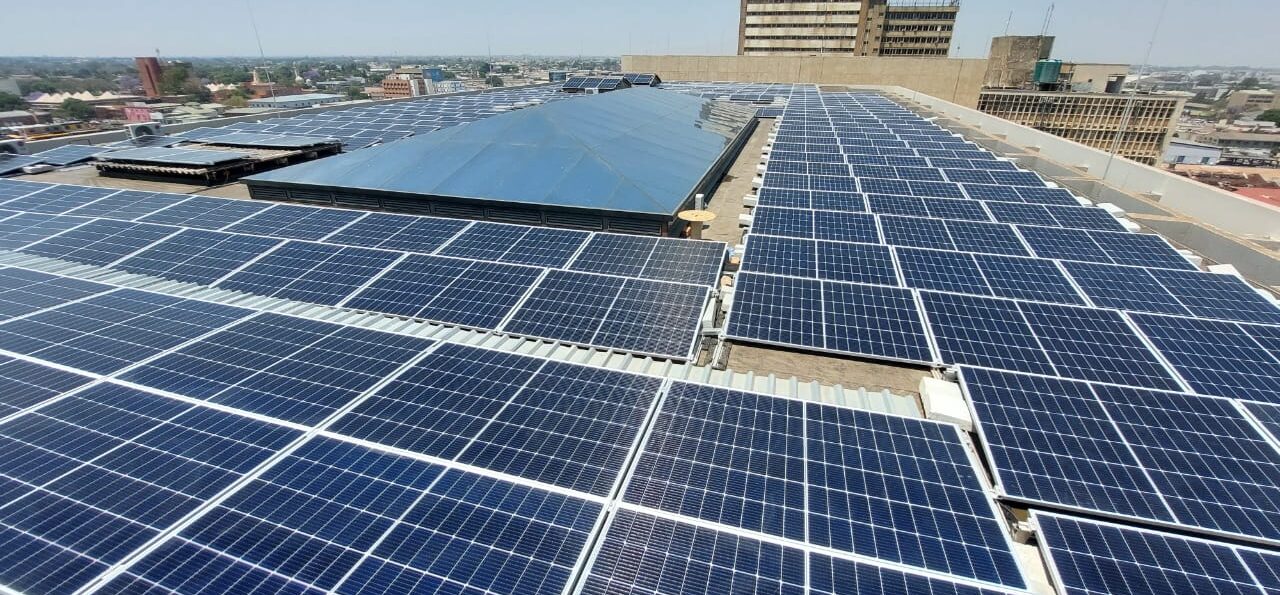
Another inspiring example is RDG Collective, ElectriFI’s investee. Their model brings solar-powered infrastructure into farming communities, like solar cold storage and irrigation, helping farmers add value to what they produce, reduce waste, and earn more. These are simple innovations with huge ripple effects, especially for women and young farmers.
Together, these businesses are strengthening local food systems. They’re closing gaps in the value chain, improving food security, and creating new livelihoods in regions that need them most.
Lighting Up Lives with Clean Energy
Drive a few hours out of Lusaka and you’ll reach villages that still go dark every night. No grid. No lights. No electricity for schools, clinics or small businesses. This is the reality for more than 2 million households across rural Zambia.
But that’s changing — thanks to companies like Vitalite Zambia, Solar23, and Ilute Solar Project, who are helping communities leapfrog into the clean energy era.
Vitalite, now acquired by Solar Panda, another of ElectriFI investees, for example, offers solar home systems through an affordable pay-as-you-go model. For families who’ve relied on candles or charcoal, this is a better energy solution — it’s a health, safety, and dignity upgrade.
Solar23 focuses on commercial-scale systems, supporting businesses, industrial actors, schools, and farms to become more energy secure — especially in off-grid areas.
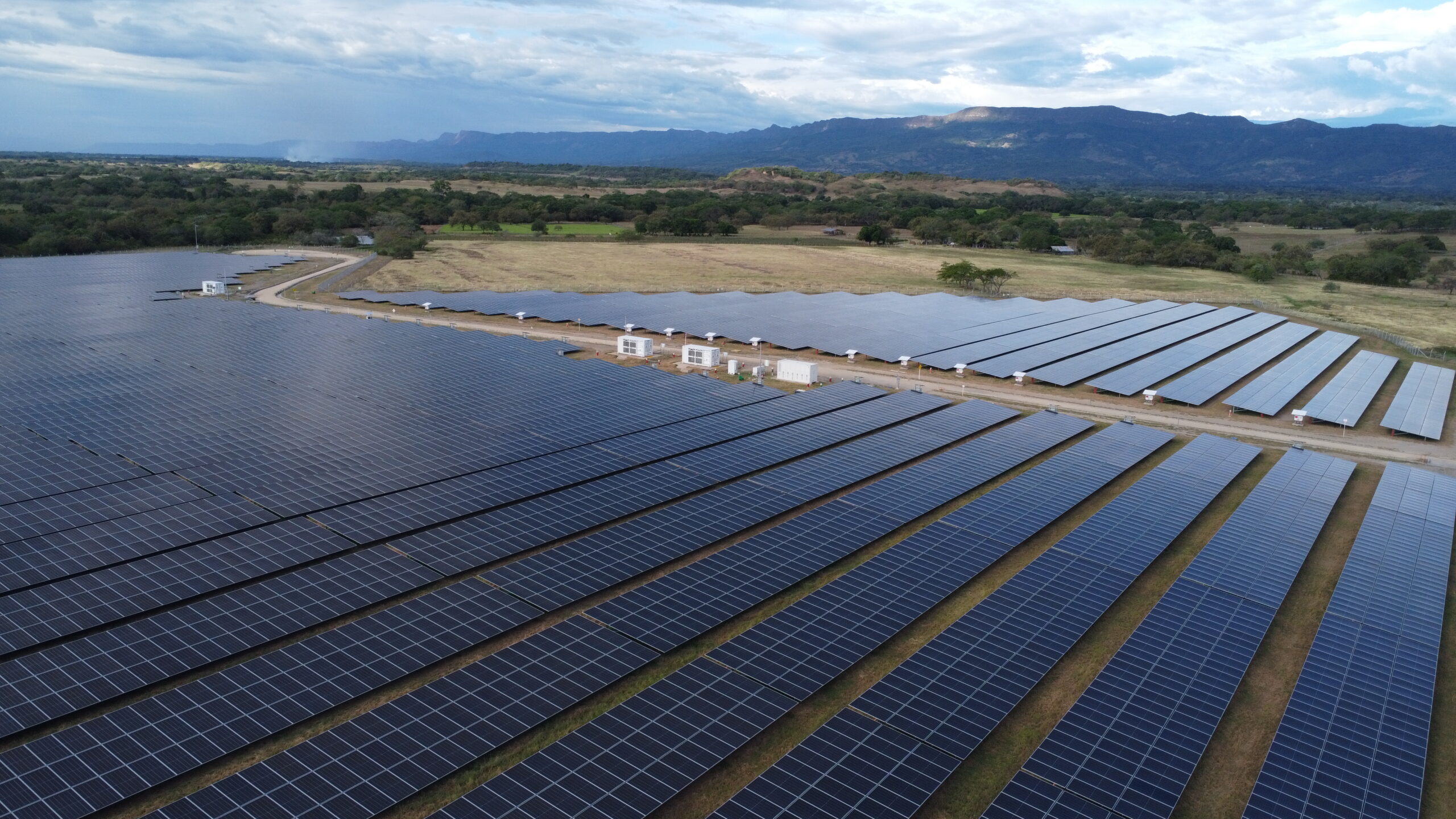
One of Zambia’s most recent clean energy milestones is the Ilute Solar Project, a 32 MWp solar PV plant developed by Serengeti Energy and Kwama Energy, with support from four impact-oriented financiers. Through a power purchase agreement with GreenCo Power Services Ltd., the project will become one of the first major private energy initiatives connected to the Southern African Power Pool, helping integrate solar energy into Zambia’s national grid.
Funded by a consortium including FMO, the Sustainable Energy Fund for Africa (managed by AfDB), Triodos Investment Management and EDFI Management Company through ElectriFI, the Ilute Solar Project demonstrates the potential of open-access markets to drive renewable energy expansion across the region. ElectriFI’s investment underscores the role of catalytic capital in enabling market liberalisation and private-sector participation in Zambia’s power sector.
Quentin De Hoe, ElectriFI Fund Manager says “We support a diverse range of business models that promote universal energy access in Zambia. While Solar Home Systems play a vital role in providing first-time access to electricity, addressing climate change also requires reducing reliance on charcoal through innovative clean cooking solution. The development of new grid-connected solar IPPs (Independent Power Producer) also offers a sustainable alternative to hydropower plants, which are increasingly affected by the impacts of climate change.”

And then there’s Emerging Cooking Solutions, the company behind Supamoto. Their clean cookstoves and sustainable fuel pellets are replacing charcoal and wood, which not only pollute indoor air but also drive deforestation. Supamoto stoves are now in over 14,000 Zambian households, helping families breathe easier and save money.
Financing Change, From the Ground Up
Behind each of these businesses is something just as important as technology or innovation: finance.
In fragile markets, traditional banks are often reluctant to lend to small companies — especially in rural areas. That’s where inclusive finance comes in.
Agora Microfinance Zambia (AMZ) is one of the country’s leading microfinance institutions. They serve people that banks overlook: low-income families, informal workers, and women entrepreneurs. Their loans may be small, but the impact is not. A few hundred kwacha can mean the difference between staying afloat and building a business.
Inclusive finance is a safety net and a springboard, for dignity, growth and independence.

As Rodrigo Madrazo, EDFI MC’s CEO, observes: “We aim to catalyse private investments into Zambia’s sustainable projects, bridging financing gaps in renewables, agriculture and inclusive finance that are crucial for development.”
A New Chapter for Zambia
Zambia still faces enormous challenges, climate pressures, poverty, and fragile infrastructure. But there’s another side to the story: one of resilience, innovation, and partnership.
In every village, field and solar-lit home we visited, we saw the same thing, people taking the future into their own hands. Entrepreneurs creating jobs. Farmers adapting to climate change. Households switching to clean energy. And behind many of them, the patient capital and catalytic support that gave them a chance to grow. As Madrazo, reflects: “Zambia shows us what’s possible when local ambition meets global support. These businesses are solving problems and building the foundations of a sustainable, inclusive economy. That’s the future we’re here to back.”
Zambia’s journey is emblematic of the challenges many nations face in the era of climate change.
Zambia illustrates both the risks and rewards of frontier investment. By backing innovative local companies and value chains, EDFI MC is playing a catalytic role – proving new business models and attracting follow-on investment. Such impact-oriented finance not only moves Zambia toward the Sustainable Development Goals but also creates a track record to encourage broader private-sector engagement. With sustained coordination under Team Europe and continued focus on additionality, there is strong potential for further catalytic investments in Zambia’s green energy, agribusiness and microfinance sectors – ultimately fostering resilient growth and shared prosperity.