Moving beyond self-sufficiency or trade: how to close Africa’s hunger gap
By Coen van Genderen, Manager Agribusiness Africa at FMO and Chair of AgriFI
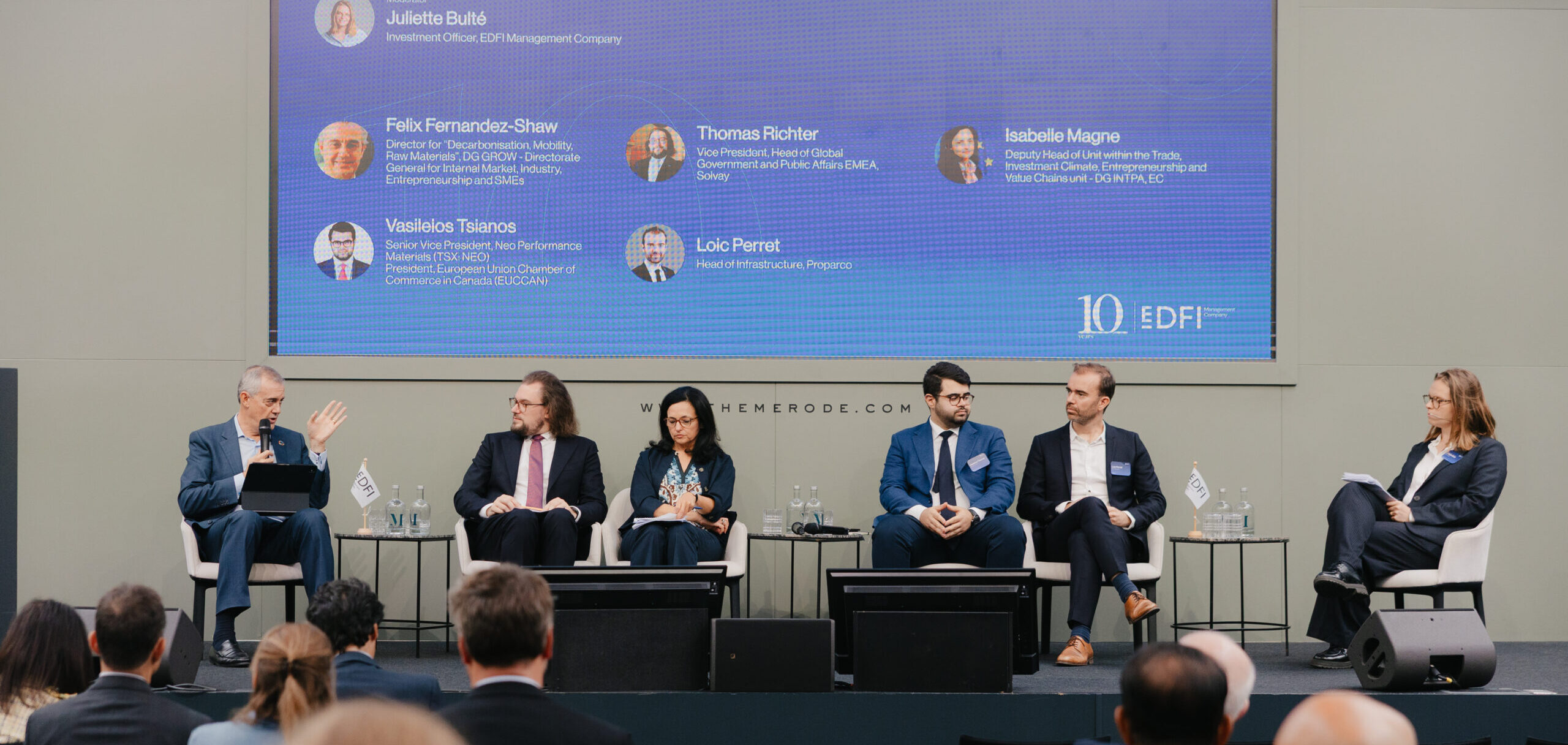
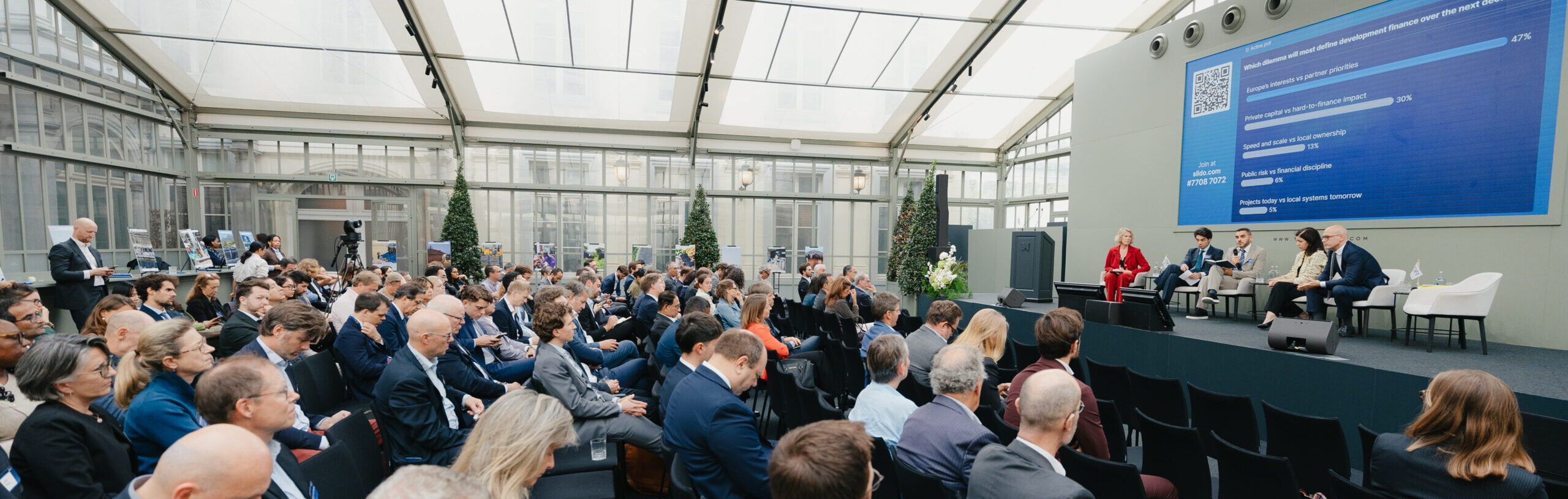
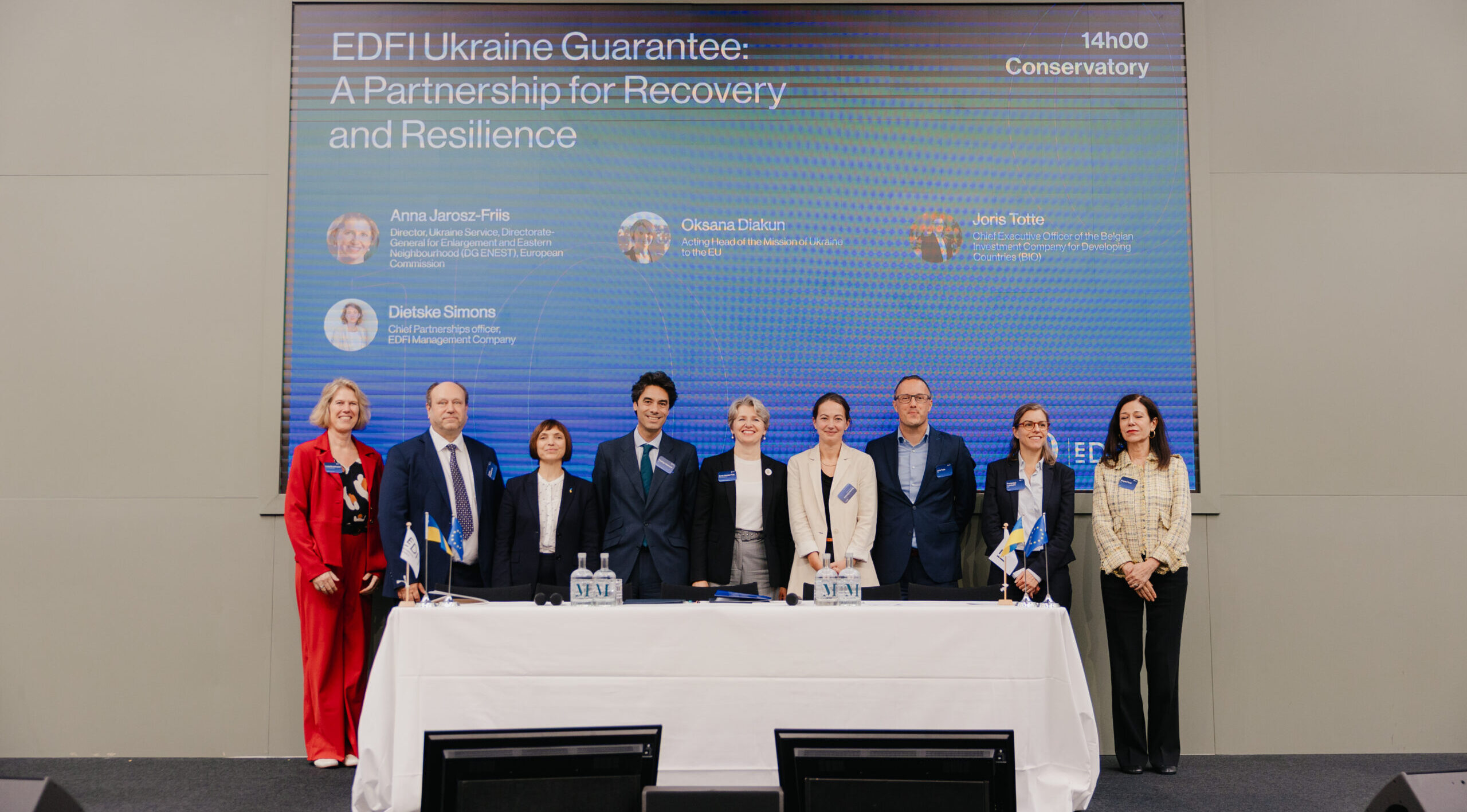
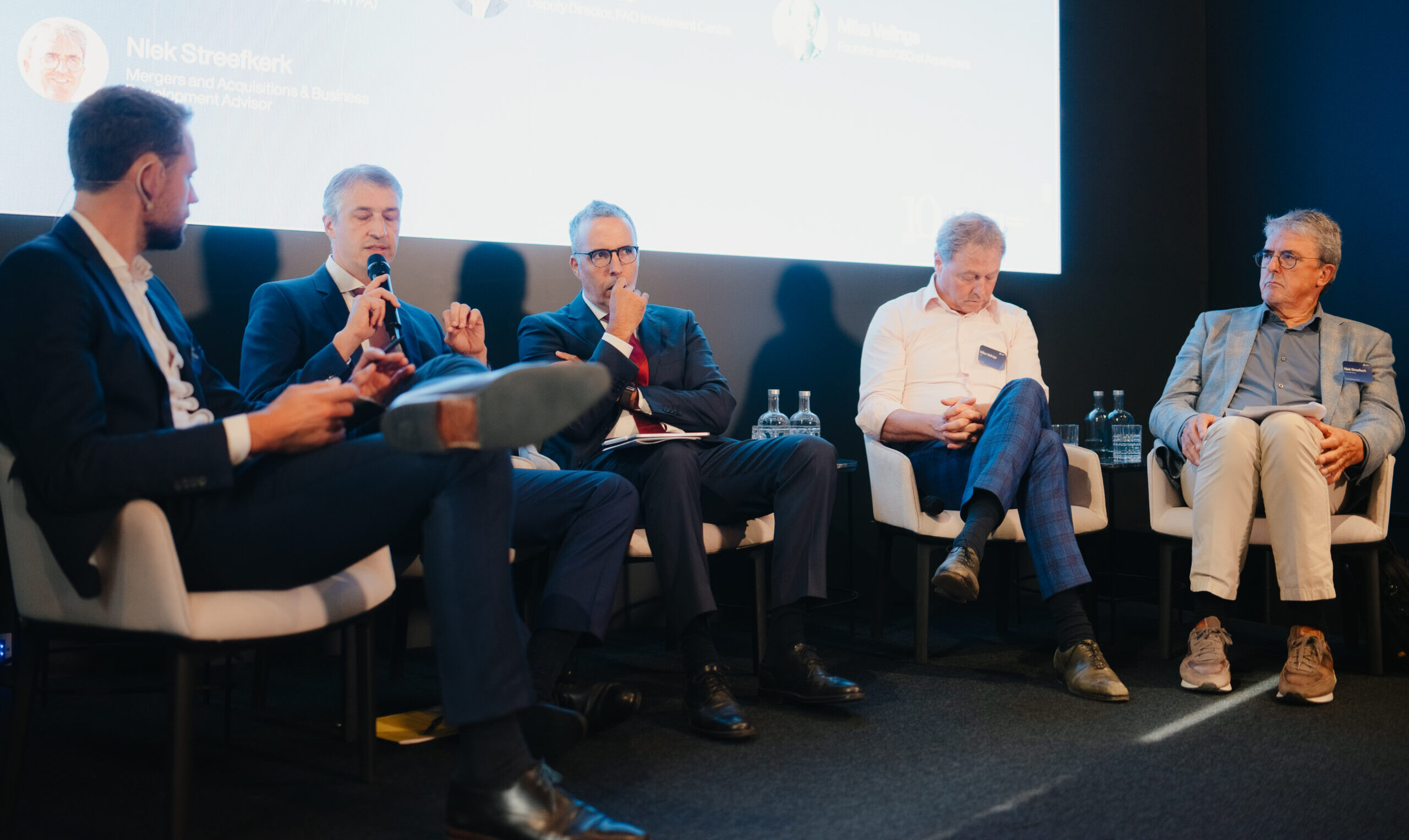
On 28 September 2026, during the EDFI MC Corporate Day, I had the honour of moderating a panel discussion on the intriguing question “how to close Africa’s hunger gap”. I opened our panel with a story that seemed to have little to do with food. Twenty years ago, only about one in five Africans had access to the formal financial system. The obvious answer was to build more bank branches and catch up gradually. That is not what happened. In Kenya, a phone-based service designed to help microfinance institutions collect loan repayments was adopted by users for something else entirely: sending money to family and friends. Today, Africa is the centre of mobile money, with more than a billion registered accounts, and more than half of the population of sub-Saharan Africa has access to formal financial services.
I chose that story because I believe it offers lessons for improving food security. Mobile money succeeded because it started with the user’s perspective and solved an everyday problem for real people; it built on technology that almost everyone already had; and telecom operators, regulators and investors moved together. I would apply the same thinking to food. We should start with the challenges faced by smallholder farmers, consumers and local agribusinesses, rather than with the design of donor programmes, innovate on the back of existing technology, such as improved seeds, and lastly, the private sector, local governments, banks and NGOs should work together.
Why the question matters now
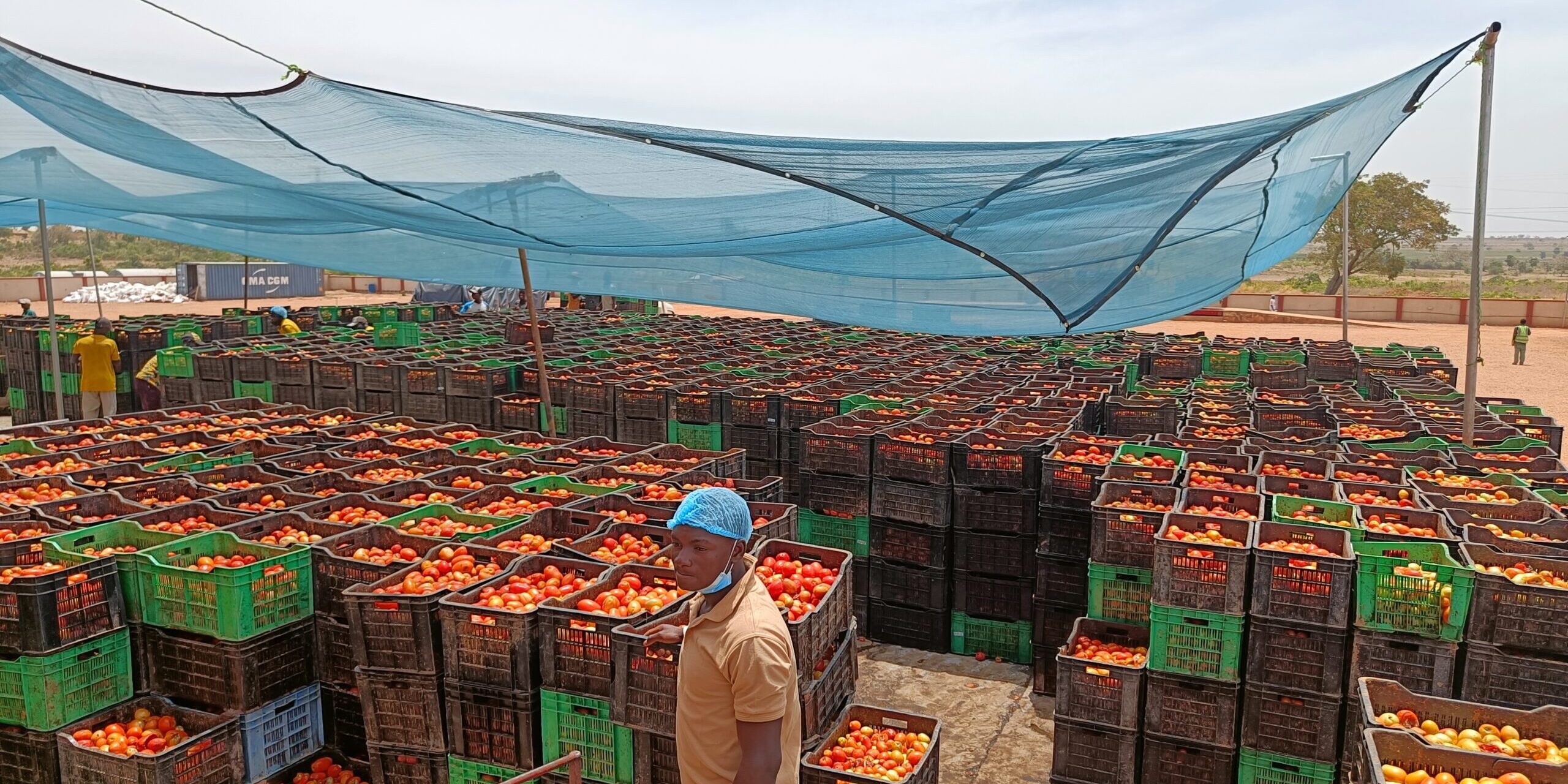
The scale of the problem is hard to overstate. Around 62% of people in sub-Saharan Africa face moderate or severe food insecurity, while roughly 85% of the food imported by African countries comes from outside the region. The latter figure helps explain why distant disruptions, from the war in Ukraine to conflict around the Strait of Hormuz, affect African households so quickly.
It also explains why food self-sufficiency has become such a prominent political goal. Should countries produce their own staple foods, even at a higher cost, or focus on what they grow best, such as cocoa and coffee, and trade for the rest? I asked four people with very different perspectives to help us move beyond this binary choice.
Policy should follow the value chain, not the other way round
Andrea Alfieri, Deputy Head of Unit for Sustainable Agri-food Systems at the European Commission’s Directorate-General for International Partnerships (DG INTPA), made clear that the Commission does not begin with a preference for either export crops or local staples. Its agricultural programmes support coffee, cashew and cocoa for export, as well as horticulture, rice and other cereals for local and regional markets. Instead, decisions are driven by the partner government’s priorities, a clear economic rationale and evidence that private operators are already gaining traction. He also stressed the importance of regulation, citing Côte d’Ivoire, where consistent fiscal and trade policies helped make the country the world’s largest cashew producer and an increasingly important processor.
“We are very happy when we see that we are able to bring in investors from Europe or from other countries in local markets, which have extra difficulties. That is a very important achievement for us.” Andrea Alfieri, Deputy Head of Unit Sustainable Agri-food Systems, DG International Partnerships, European Commission
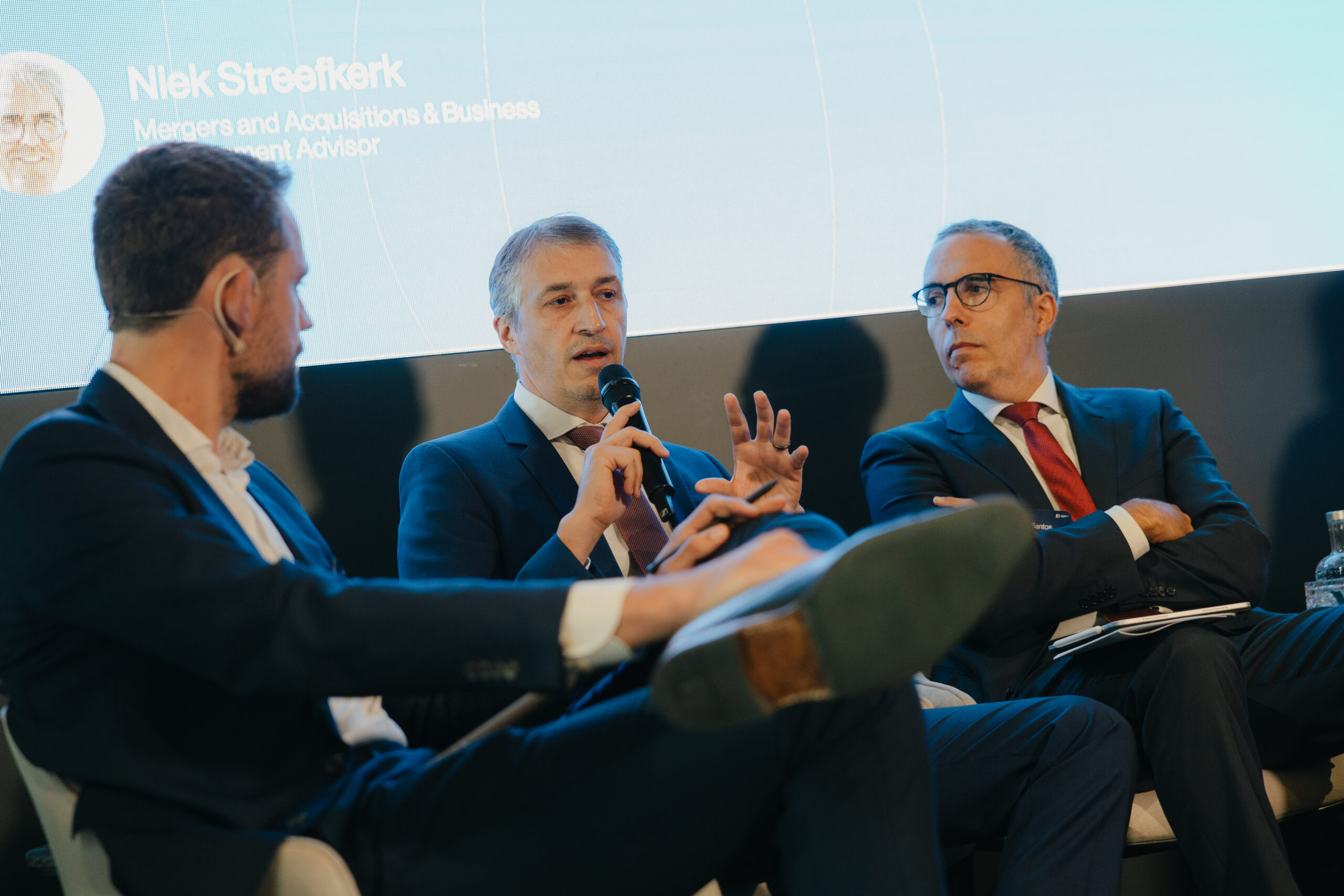
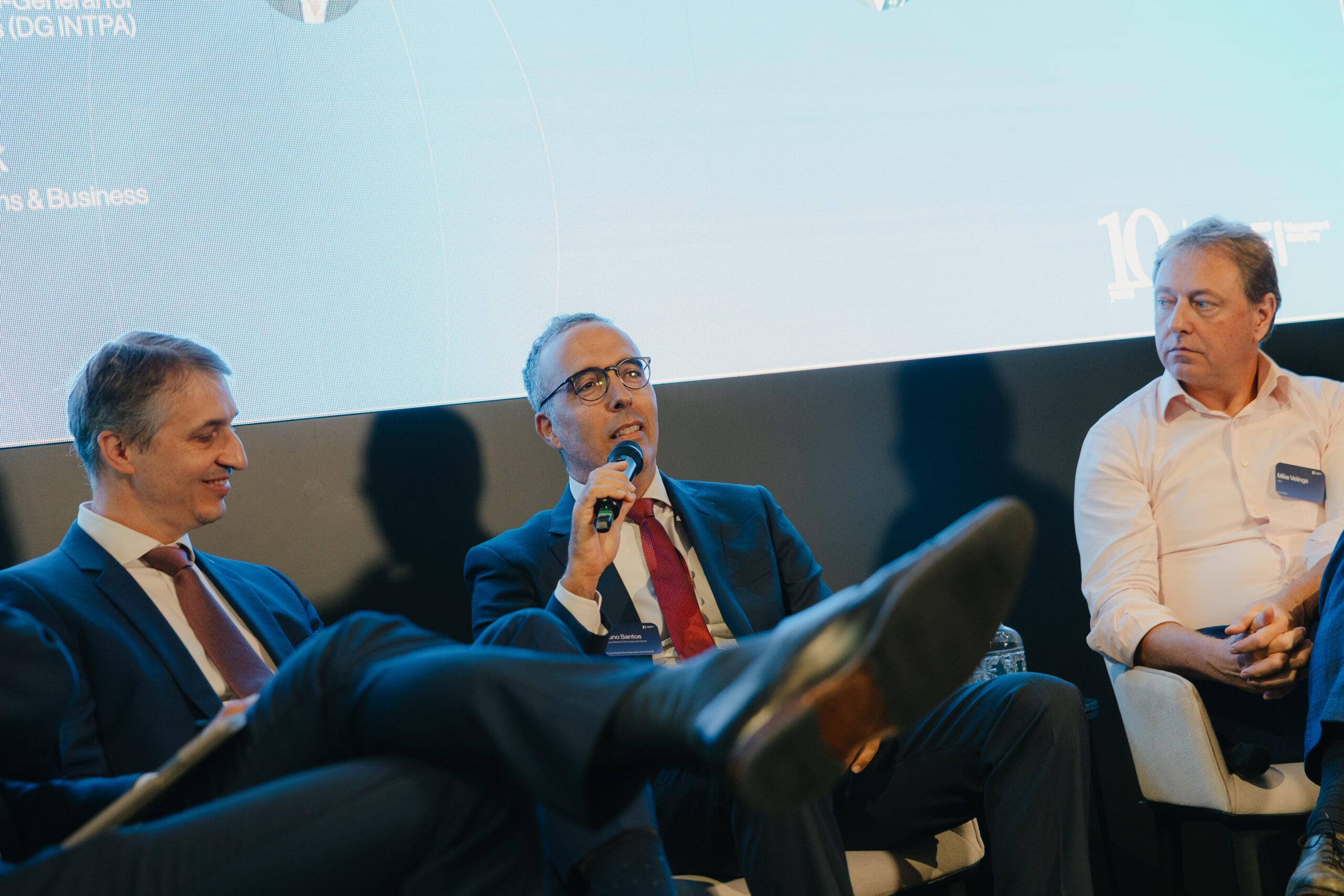
Nuno Santos, Deputy Director of the FAO Investment Centre, directly challenged the textbook framing. He noted that South Korea and Taiwan built world-leading industries in sectors in which they had no advantage in the 1960s, and that export bans during the 2007–2008 food crisis made matters worse. His conclusion was that Africa needs much deeper regional trade and better logistics, alongside targeted investment in value chains that can become competitive. He also warned that a blanket push for self-sufficiency can increase consumer prices and leave countries less stable. Finally, he cautioned donors against expecting local businesses to source from thousands of smallholders from day one, when a few larger, reliable suppliers are often what keeps buyers on board.
“Free trade is definitely very good, but comparative advantage is overrated.” Nuno Santos, Deputy Director, FAO Investment Centre
“Small is beautiful, but big is necessary.” Nuno Santos, Deputy Director, FAO Investment Centre
Affordable proteins
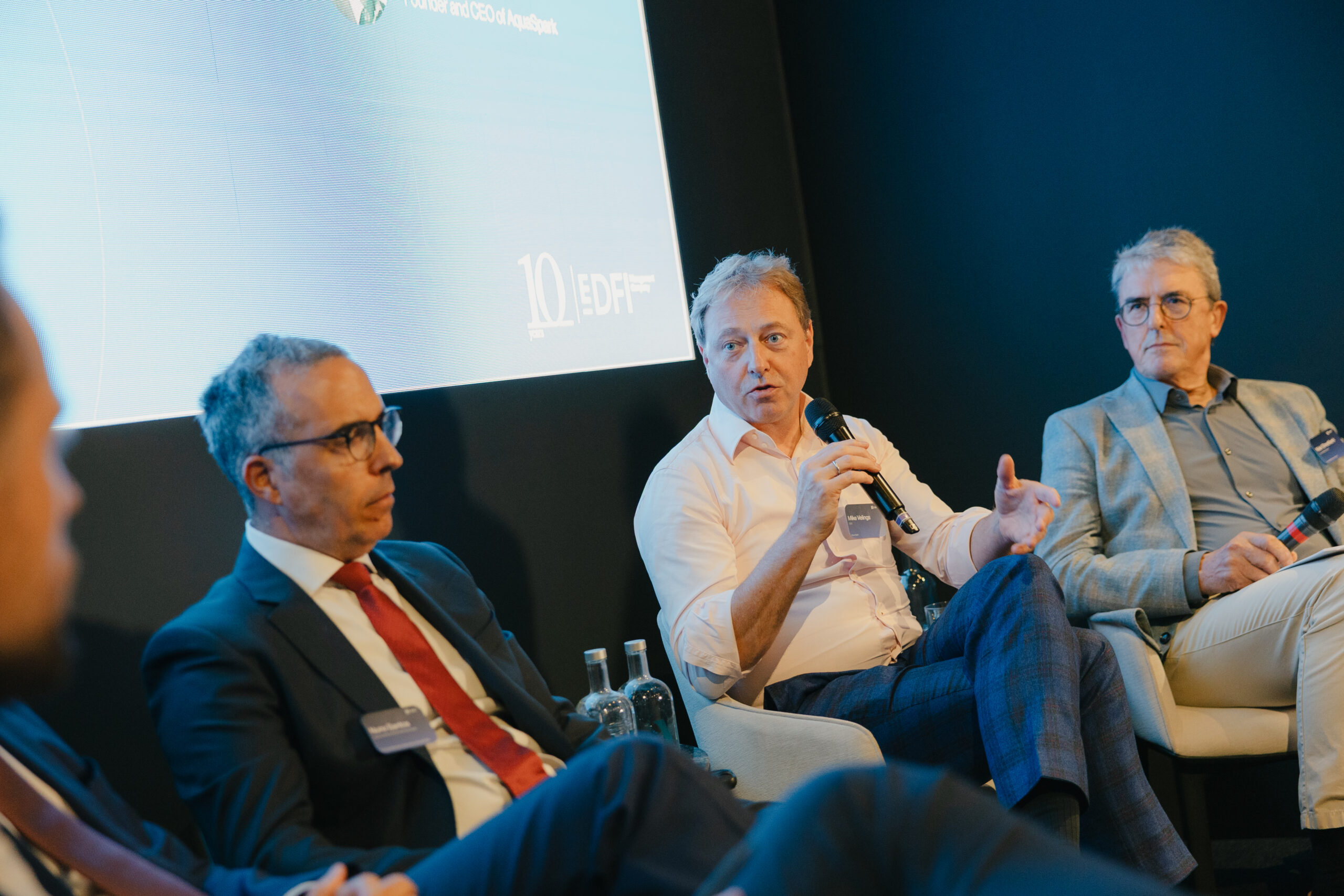
Nuno also noted that about two-thirds of Africans cannot afford a healthy diet and that, in Africa, the affordability gap is driven above all by the cost of animal protein. This brought us to Mike Velings, Founder and CEO of Aqua-Spark. He argued that Africa has the lakes, rivers and coastline needed to farm fish such as tilapia and catfish at scale, at a time when wild catches are declining and imported seafood is often too expensive.
“If you want to produce the healthiest product with the least resources, aquaculture is the logical solution.” Mike Velings, Founder and CEO, Aqua-Spark
Mike was candid about the challenges. Fish feed relies on soy shipped from Brazil to for example landlocked Uganda, which means that a drought on another continent or a conflict in the Gulf can make fish unaffordable almost overnight. Aqua-Spark’s foundation is therefore for example funding research to use regional feed crops as an alternative that can be purchased in local currency. Mike also explained that it is indeed very important to understand the challenges of for example consumers. Villagers would not buy fish from a truck from one of their farms that arrived at unpredictable times. However, when it came at the same time every two weeks, they planned ahead, had the ability to set aside money and were willing to pay a fair price. It is also a challenge to find quality co-investors. It took Aqua-Spark years to find a professional co-investor for its first African farm. Mike welcomed AgriFI’s catalytic decision to invest in Aqua-Spark Africa, being an open-ended structure.
The missing middle
Niek Streefkerk, an independent M&A and joint venture adviser who previously led M&A at Nutreco, a multinational specialising in livestock and aquaculture nutrition, and has extensive agribusiness project finance experience at Rabobank, brought an investor’s perspective. Drawing on his experience in Africa, he stressed that investments in farming or production alone can fall short when the links to the final consumer are too fragmented. He urged development finance institutions to focus on collection, storage, cold chains and processing, while providing working capital in local currency and loan tenors aligned with the agricultural cycle. His advice to Team Europe was practical: ask African businesses about their bottlenecks; avoid exporting over-engineered European equipment that cannot be maintained locally; help small and medium-sized companies strengthen their accounting and cash-flow management; and keep due diligence proportionate to the size of the company.
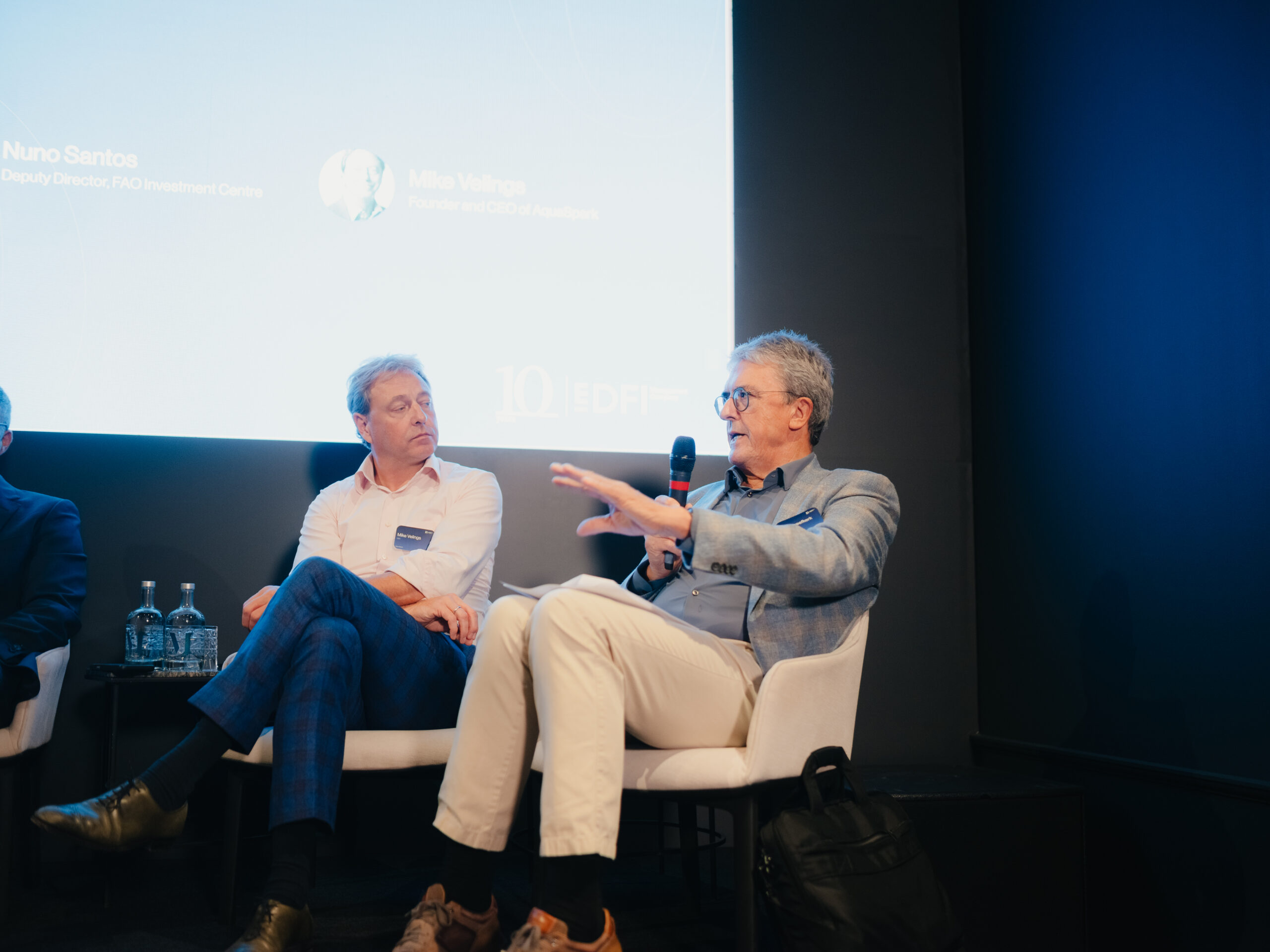
“Success should be measured not just by funds committed or pilot projects launched, but by whether nutritious food becomes more affordable, more people can access healthy diets, farmers earn more, and commercial capital is mobilised.” Niek Streefkerk, M&A and Joint Venture Adviser, former Director M&A at Nutreco
The role of patient capital
For me, the session also demonstrated why AgriFI exists. It invests in agri-food businesses that commercial investors often consider too early-stage or too risky, such as Aqua-Spark. Mike’s five-year search for a professional co-investor illustrates how persistent this financing gap can be. Patient, catalytic capital can help companies reach the scale required to attract commercial finance, the graduation that Niek identified as a key measure of success.
Three priorities for a more food-secure Africa
I walked away from this session with 3 lessons on how to address Africa’s hunger gap: (i) we need to move from a dogmatic choice between self-sufficiency and trade to the question what is needed to make a value chain competitive (ii) every country will require a tailored solution but the one common theme that is relevant to all African countries is increasing the availability and affordability of animal proteins and (iii) we need to look beyond the farm or factory and develop the entire value chain (distribution, storage etc.) and broader ecosystem (regulatory framework, working capital etc.).